Key Takeaways
- Parton’s death was announced by her nephew and head of security
- She remained active in her eighth decade even as her relentless pace slowed
- She ultimately became an unlikely cultural unifier
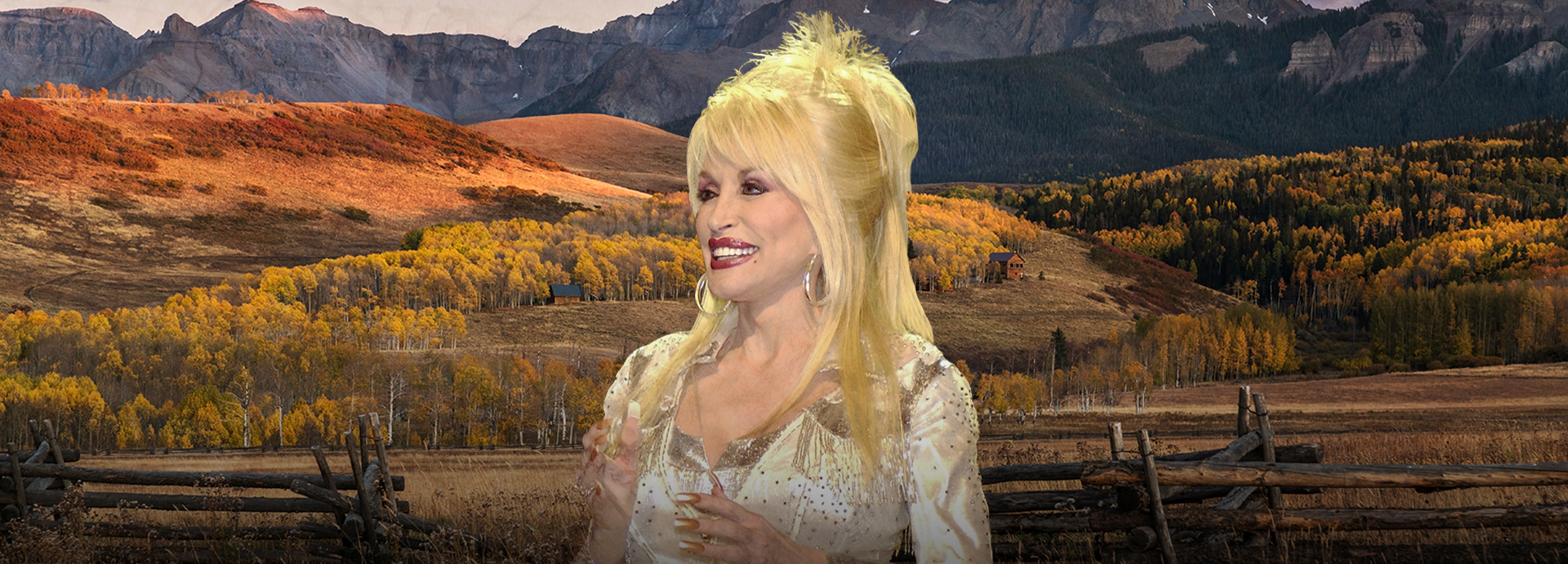
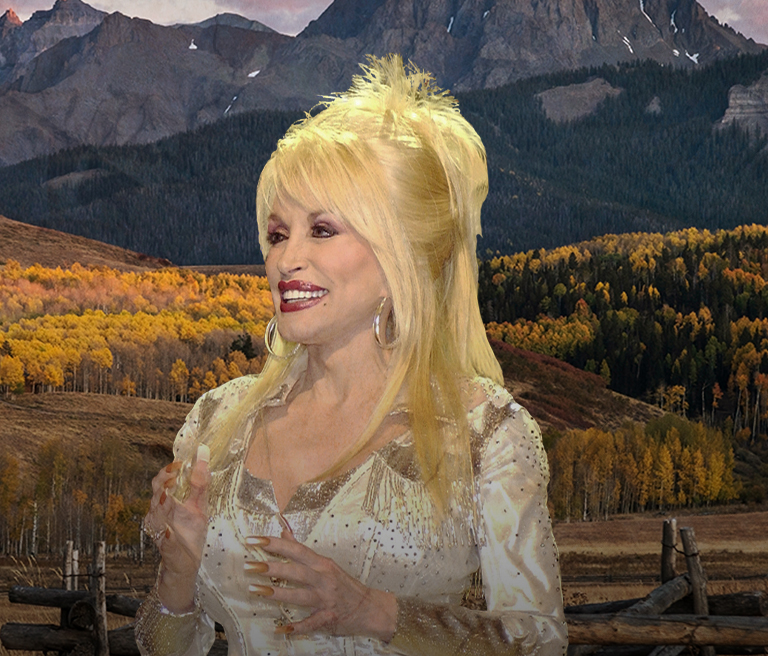
Dolly Parton, the singer, songwriter, actress, entrepreneur, and philanthropist whose songs, films, and unmistakable personality made her one of the most beloved figures in American entertainment, died at age 80.
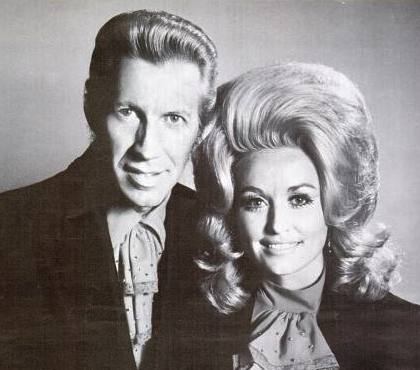 Parton’s death was announced Aug. 25, 2026, in a video posted on social media by Bryan Seaver, her nephew and head of security. Her representatives later confirmed that she died after a brief battle with cancer. Concerns about Parton’s health grew when she canceled her Las Vegas residency in May. At that time, she said that her immune and digestive systems had both “got all out of whack.” Her husband of 58 years, Carl Dean, died in March 2025 at age 82. They never had children.
“Dolly has lived in the light and is in the arms of Jesus surely met by Carl, her parents, and countless others who have watched her and longed for her to meet them in the heavens,” Seaver said. “Dolly called me and said she wants to rest in a beautiful bed of plush cotton because after a life wearing heavy rhinestones she finally deserves to be comfortable and have some rest.”
View this post on Instagram
She had remained active and ambitious deep into her eighth decade, even as her famously relentless pace slowed. Her career stretched from the hills of East Tennessee to the stages of Nashville, Hollywood and Broadway, but she never seemed to leave the mountains behind.
“Don’t get so busy making a living that you forget to make a life,” she once said.
Born Jan. 19, 1946, in a one-room cabin on the banks of the Little Pigeon River near Sevierville, Tennessee, Parton was the fourth of 12 children raised by Robert Lee and Avie Lee Parton. The family lived in poverty in a small cabin in the Great Smoky Mountains, but music was everywhere. Parton began performing publicly as a child and moved to Nashville after high school, determined to make songwriting her way out of the mountains.
She did considerably more than that.
Over a career spanning nearly seven decades, Parton wrote thousands of songs, recorded scores of albums, and became one of the most successful country artists in history. Songs such as “Jolene,” “Coat of Many Colors,” and “I Will Always Love You” became part of the American musical vocabulary. Her own recordings were enormously successful, while other artists carried her songwriting around the world. Whitney Houston’s recording of “I Will Always Love You,” from The Bodyguard (1992), introduced Parton’s songwriting to an entirely new generation.
But Parton was never content to be only a musician.
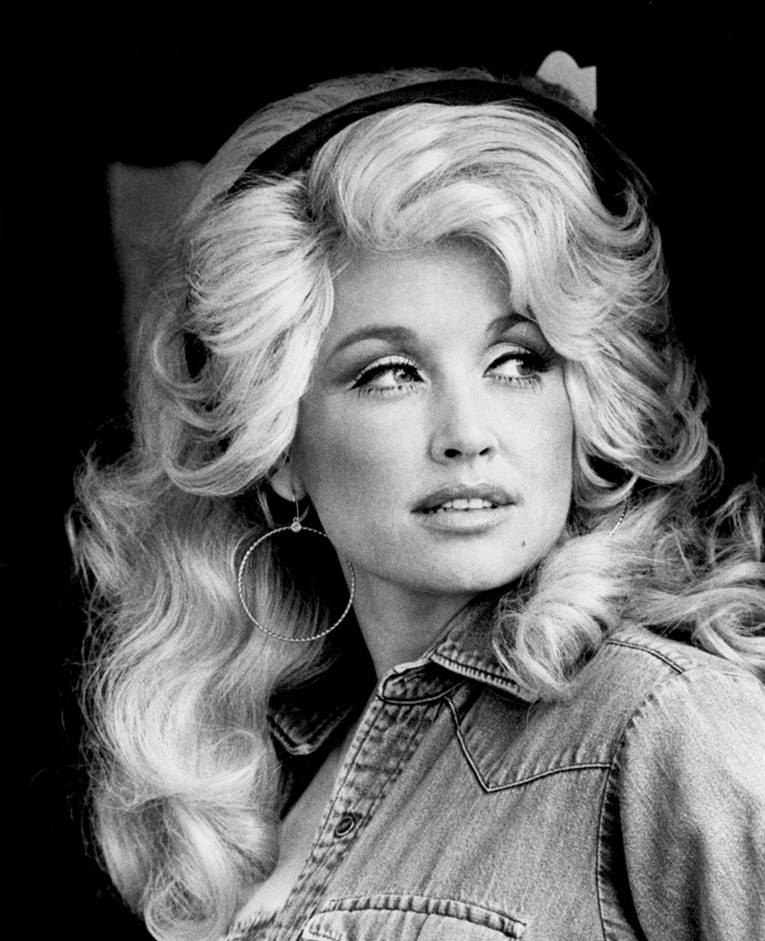
Her Hollywood career began in 1980 with 9 to 5, in which she starred alongside Jane Fonda and Lily Tomlin. The film was a major success, and Parton’s title song became one of the defining movie songs of its era. She followed it with The Best Little Whorehouse in Texas (1982), opposite Burt Reynolds, playing Mona Stangley, the madam of the legendary Texas brothel. The movie was a musical comedy rather than a traditional Western, but its Texas setting, country music, and larger-than-life characters placed Parton within the cinematic mythology of the American South and West.
Parton returned to that territory in Wild Texas Wind, a 1991 television movie that gave her perhaps her clearest connection to the Western genre. She starred opposite Gary Busey and co-wrote the story, while Willie Nelson made a cameo appearance. The film combined country music, Texas landscapes, and a dramatic story of ambition, betrayal, and violence, allowing Parton to inhabit a world much closer to the traditional Western than most of her previous Hollywood work.
Her film career otherwise moved freely between genres. She starred opposite Sylvester Stallone in Rhinestone (1984), appeared in the beloved ensemble drama Steel Magnolias (1989), and later took roles in films including Straight Talk (1992), Joyful Noise (2012) and Dumplin' (2018). She also became a familiar presence on television, appearing as herself and playing characters in projects ranging from Hannah Montana to Grace and Frankie.
If Parton’s Western credentials were relatively limited, her connection to the broader culture was unmistakable. Her music frequently drew on rural life, family, faith, heartbreak, and the struggles of working people—the same themes that have long defined country music and the Western storytelling tradition. She understood that the most powerful stories were often about ordinary people trying to survive extraordinary circumstances.
And she understood how to tell those stories with her trademark humor.
Parton’s greatest gift may have been her ability to make enormous success feel personal. The rhinestones, wigs, makeup, and jokes were part of the package, but underneath them was a songwriter who understood poverty, ambition, heartbreak, and perseverance. She could turn a childhood memory into a country classic and then deliver it with a wink.
Her generosity became nearly as famous as her entertainment career. Through the Dollywood Foundation and its Imagination Library, she helped put millions of books into the hands of children around the world. She donated generously to education, disaster relief and medical causes, including a $1 million gift that supported COVID-19 vaccine research. Her philanthropy reflected the same philosophy that shaped her career: success mattered most when it could be shared.
“She never saw a door she couldn’t open,” Seaver said. “And the doors she opened made and changed history.”
Parton also became an unlikely cultural unifier. Her music crossed generations and genres, while her public persona managed to be glamorous without ever seeming detached from the people who had known her since her earliest days in Tennessee. She could be simultaneously a global superstar and the woman from the Smoky Mountains who never forgot where she came from.
That may ultimately be her greatest legacy.
Parton spent her life turning the stories of rural America into something the entire world could understand. She did it through songs, movies, television, business and philanthropy. She never needed to be a traditional Western star to understand the values at the heart of the genre: independence, resilience, loyalty, family, and the determination to make your own way.
She made her own way.
And in doing so, Dolly Parton became something far bigger than a country star. She became an American original.
View this post on Instagram
Suggest a Correction
We strive for accuracy and fairness. But if you see something that doesn’t look right, click here to contact us!

About the Author
The folks who can’t stop talking about classic Westerns, swapping fun trivia, and finding new ways to celebrate cowboy grit (and maybe the occasional outlaw charm). We love sharing stories that bring the spirit of the West to life, one post at a time.
Next Story

Story