Key Takeaways
- There was a big difference between his early career and late career
- Studios needed to protect their investment as he became more famous
- In most cases, audiences never noticed
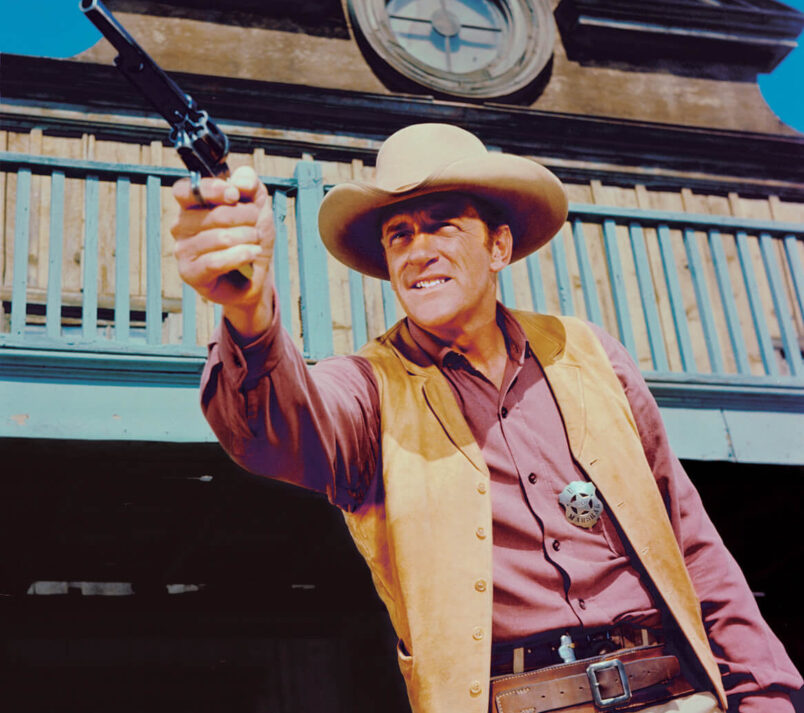
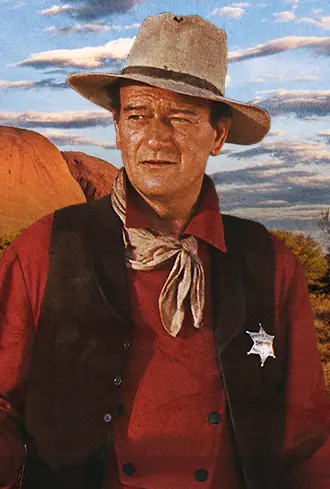
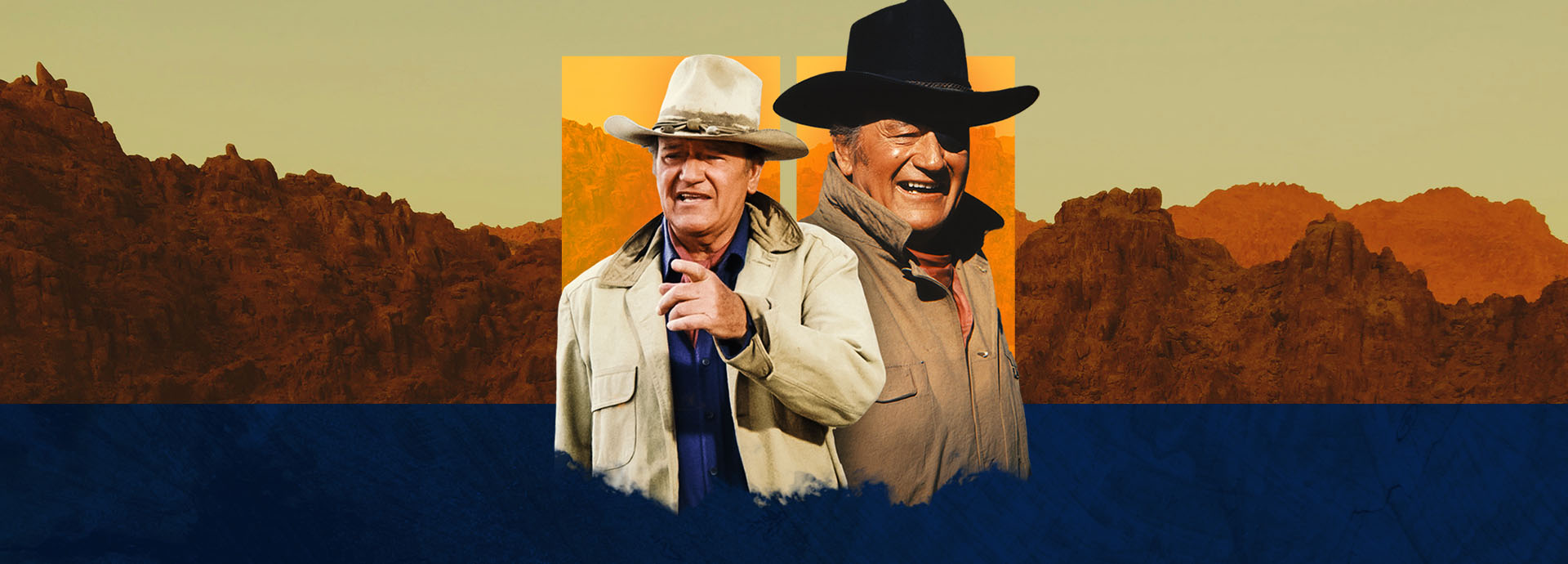
One of the questions that comes up most about John Wayne is whether or not he performed all his stunts.
It was a mixture of both, Wayne doing some of his own stunts mostly early in his career, and then, like most major stars, he relied heavily on professionals to perform his maneuvers, especially as he got older.
In the 1930s and 40s, Wayne was young in his career and just starting to build his name. He often rode his own horses, performed basic fight scenes, and did some of the simpler action work himself. That, combined with his physical presence, made him convincing no matter the character he played.
As his name became more famous and he became a major star, studios opted to protect their investment and often did not allow him to perform his own stunts. Big falls, fights, and explosions were handled by stuntmen. His longtime double was Yakima Canutt, who was a legend in his own right. In fact, he is said to have invented many of the stunt techniques that are still used in Hollywood today.
Despite being 61 at the time, Wayne performed an exciting stunt in True Grit (1969) when his character, Rooster Cogburn, jumped his horse over a four-rail fence. He also rode his horse through a freezing river in the same movie.
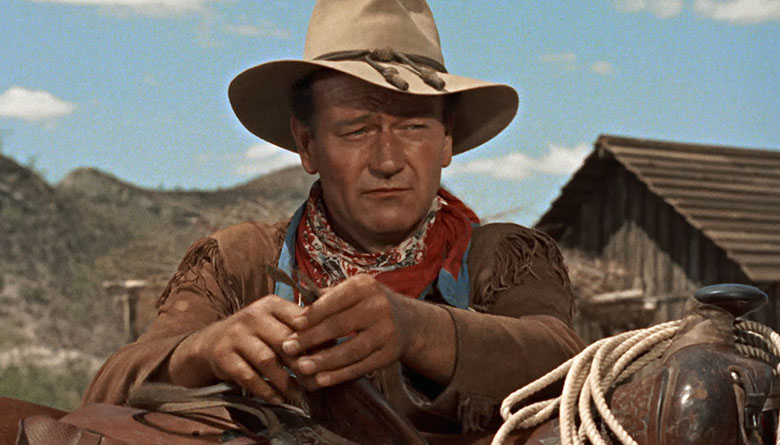 But his feats were not flawless. In 1973, at age 65, Wayne cracked three ribs when he crashed through a door in The Train Robbers. In 1953, his earlier years, Wayne broke an arm when performing a football tackle in Trouble Along the Way and performed a challenging stunt in Hondo when he was being dragged by a horse.
If you go back and watch some of Wayne’s films, here is a way to tell whether it was Wayne doing stunts or whether it was Canutt. If the camera pulls far back during a fight, fall, or horse-riding scene, it’s often a stunt double. Those shots avoid close facial details.
In some of the riding scenes, it’s difficult to tell, but if you look closely, Wayne was a really strong rider. But when a stuntman is being used, he often would sit deeper in the saddle, not as tall, and his moves were much more aggressive. If the falls off the horse were more extreme, you can bet it was a stuntman.
And finally, it’s a stuntman when something dangerous is happening, and the face is not completely visible. If hats are pulled low or the lighting is not great, it’s typically not Wayne.
Even when doubles were used, the goal was for there to be seamless storytelling. In most cases, audiences never noticed because the editing, costuming, and blocking were carefully designed to keep the illusion intact.
Suggest a Correction
We strive for accuracy and fairness. But if you see something that doesn’t look right, click here to contact us!
About the Author
Jay Coffin has worked in journalism, digital media, television, communications, and the media fields for the last three decades. Most of that time has been spent in the sports and golf industry, helping to raise the profile of two prominent golf websites, appearing regularly on television, creating two successful podcasts, and boosting numerous social media accounts to record engagement metrics. He lives in Orlando, Fla.