Key Takeaways
- The family-centered approach around the Cartwrights always worked
- Production value and vibrant colors helped boost the show
- The variety of the storyline kept it fresh and exciting
Bonanza ran for 14 seasons (1959-1973) and became one of the most popular and enduring TV Westerns for several key reasons. Its success wasn’t accidental.
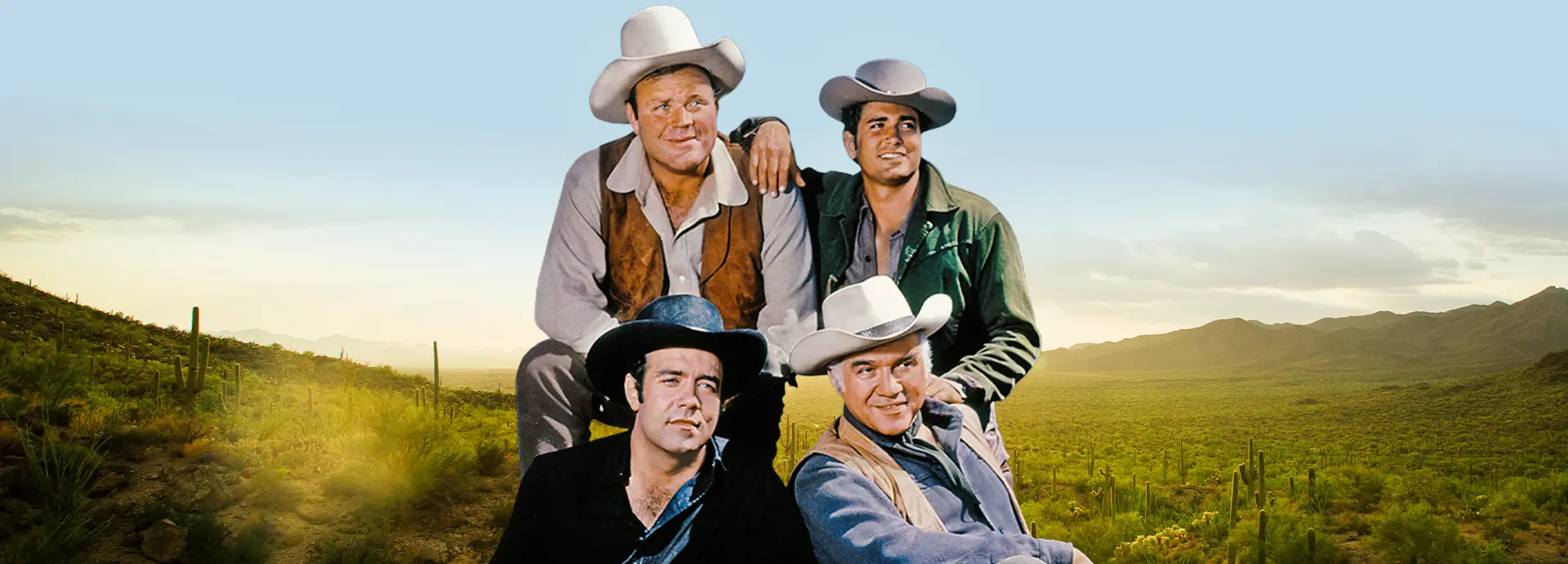
For starters, there was a family-centered approach around the Cartwright family—Ben, Adam, Hoss, and Little Joe. Most other Westerns of that time focused on gunslingers and lawmen. Bonanza flipped the model, making viewers connect with and care deeply for the Cartwrights. The family dynamic made the show feel more relatable than typical Westerns.
Each of the Cartwrights had distinct personalities, which was a major draw to the show. Ben always had a strong moral center, Adam was smart, serious, and educated, Hoss was gentle and had a heart of gold, while Little Joe was youthful and fiery. Lorne Greene, Michael Landon, Dan Blocker, and Pernell Roberts created a believable family dynamic. Most families sitting at home watching always had one favorite among the others.
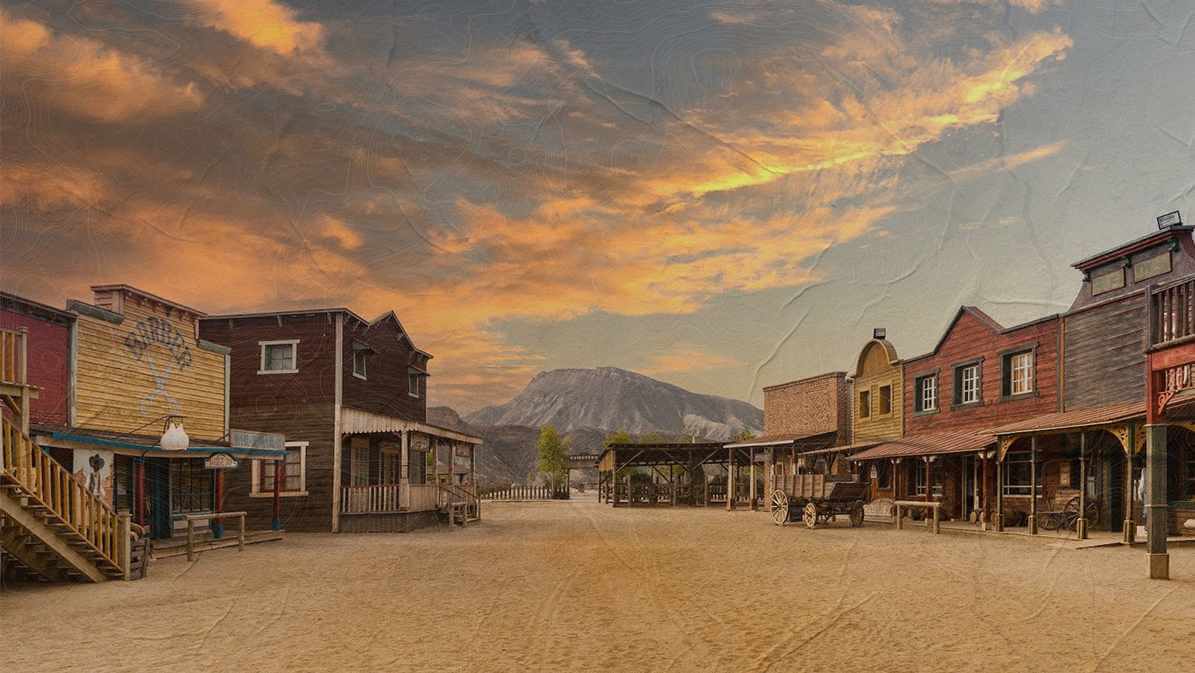
Production value and the show’s vibrant colors also helped boost popularity. Bonanza was one of the first series broadcast in color, and because of that, NBC promoted it aggressively. The pine forests, Lake Tahoe scenery, and lush sets really gave the show a dynamic, powerful look. It looked spectacular compared with most other television shows at the time.
Humor never hurt either. Episodes weren’t always just about shootouts. They could be funny, they could have romance, or they could have family conflict. Sometimes they were about morality or social issues. One week, an episode could be light-hearted, the next could have you in tears. The variety kept it fresh and exciting.
All this packaged together made Bonanza a long-time Sunday night staple.
Suggest a Correction
We strive for accuracy and fairness. But if you see something that doesn’t look right, click here to contact us!
About the Author
Jay Coffin has worked in journalism, digital media, television, communications, and the media fields for the last three decades. Most of that time has been spent in the sports and golf industry, helping to raise the profile of two prominent golf websites, appearing regularly on television, creating two successful podcasts, and boosting numerous social media accounts to record engagement metrics. He lives in Orlando, Fla.
Next Story


Story