Key Takeaways
- The lovable sidekicks were different in style and personality.
- There was no big farewell for Chester, who left after Season 9
- The switch was never explained, a common practice back then
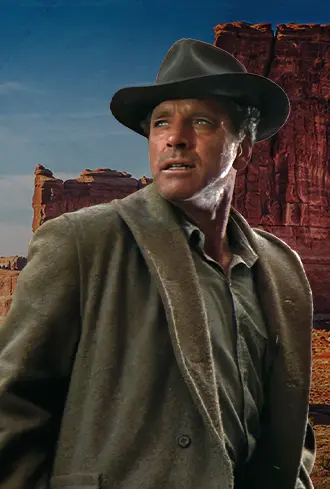
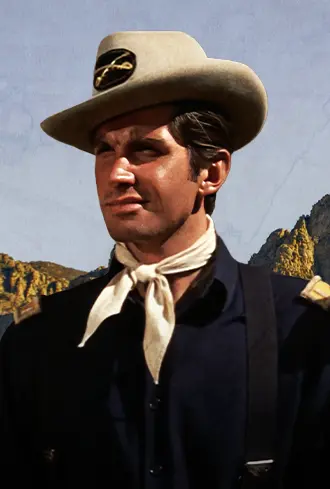
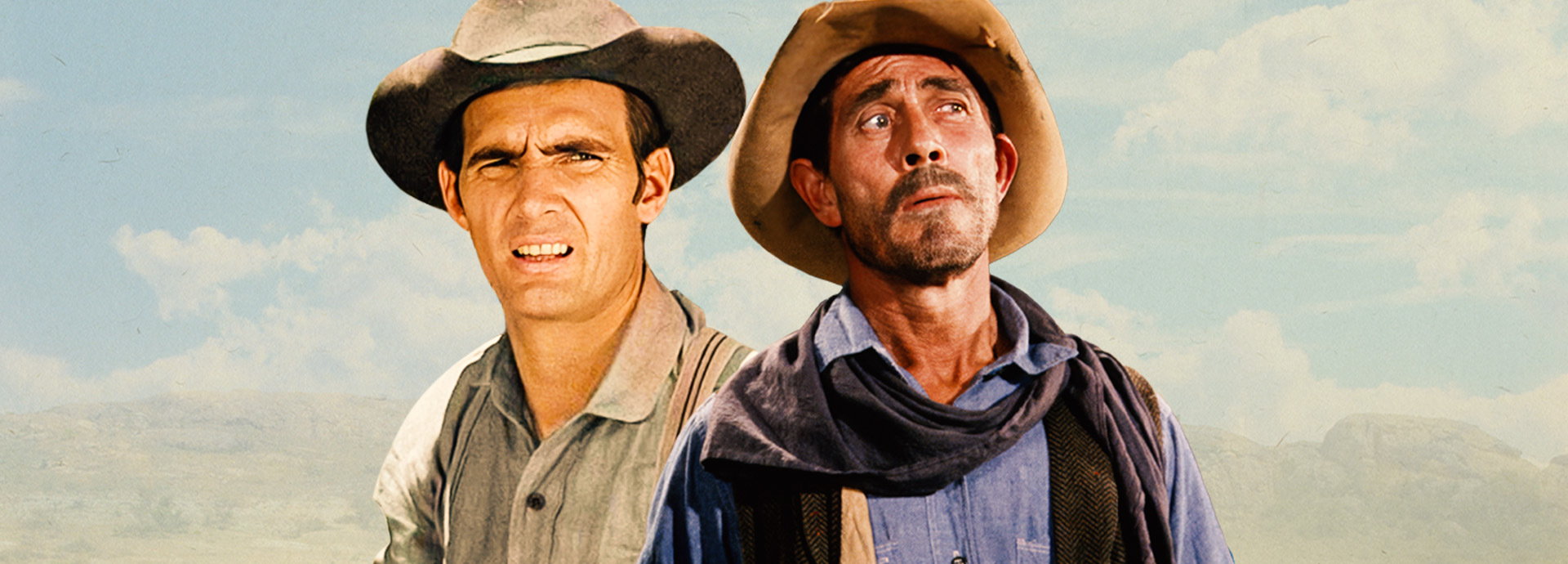
Chester Goode (played by Dennis Weaver) and Festus Haggen (played by Ken Curtis) were beloved sidekicks to Marshal Matt Dillon on Gunsmoke, but they were very different characters in both style and personality.
Goode appeared on the first episode of Gunsmoke and was a character for the first nine seasons, through 1964, a span of 290 episodes. He was deeply devoted to Matt and was dependable, cautious, and thoughtful, although he could often be described as bumbling. He spoke with a distinctive twang and had a slower, softer way of talking.
The character had a noticeable limp when he walked—which Weaver created only for the character—and did not carry a gun on his hip but always had one available. Chester was a faithful assistant to Matt, almost like a deputy, but it was not his official position. Matt paid Chester out of his own wages.
Haggen first appeared on Gunsmoke in 1962 and became a regular after Weaver left in 1964. He stayed until the series ended in 1975 and was in 306 episodes. Festus was a scruffy, comical hillbilly with country wit and a rough edge who became Matt Dillon’s trusted deputy. He provided humor but was tougher and more willing to stand up in a fight than Chester. He was also known for colorful expressions and malapropisms, especially when talking with Matt or Doc Adams.
Unlike Goode, Haggen did not have a limp, but he had a scruffy beard, an old hat, and worn clothes. He was less formal, but more like family.
Weaver, and thus the Chester Goode character, left the show on his own and decided not to renew his contract. He was worried that he’d be typecast, and he was interested in pursuing leading roles.
Interestingly, there was no big farewell for Chester. One season ended with him in the show, and the next season opened with Festus in his place. The switch was not explained in the storyline, which was a common practice in television back then.
Suggest a Correction
We strive for accuracy and fairness. But if you see something that doesn’t look right, click here to contact us!
About the Author
Jay Coffin has worked in journalism, digital media, television, communications, and the media fields for the last three decades. Most of that time has been spent in the sports and golf industry, helping to raise the profile of two prominent golf websites, appearing regularly on television, creating two successful podcasts, and boosting numerous social media accounts to record engagement metrics. He lives in Orlando, Fla.