John Wayne
Save Hero
Age
72
Born
1907
May 26
Hometown
Winterset
Iowa
Stories


Story
Story
Games

answer reveal
trivia
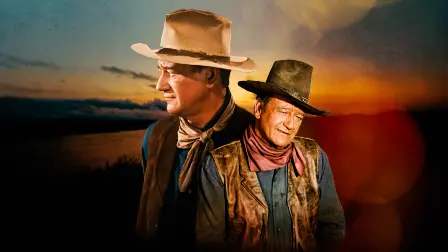
trivia


answer reveal
answer reveal
WHERE TO WATCH INSP
FIND US ON YOUR TV!
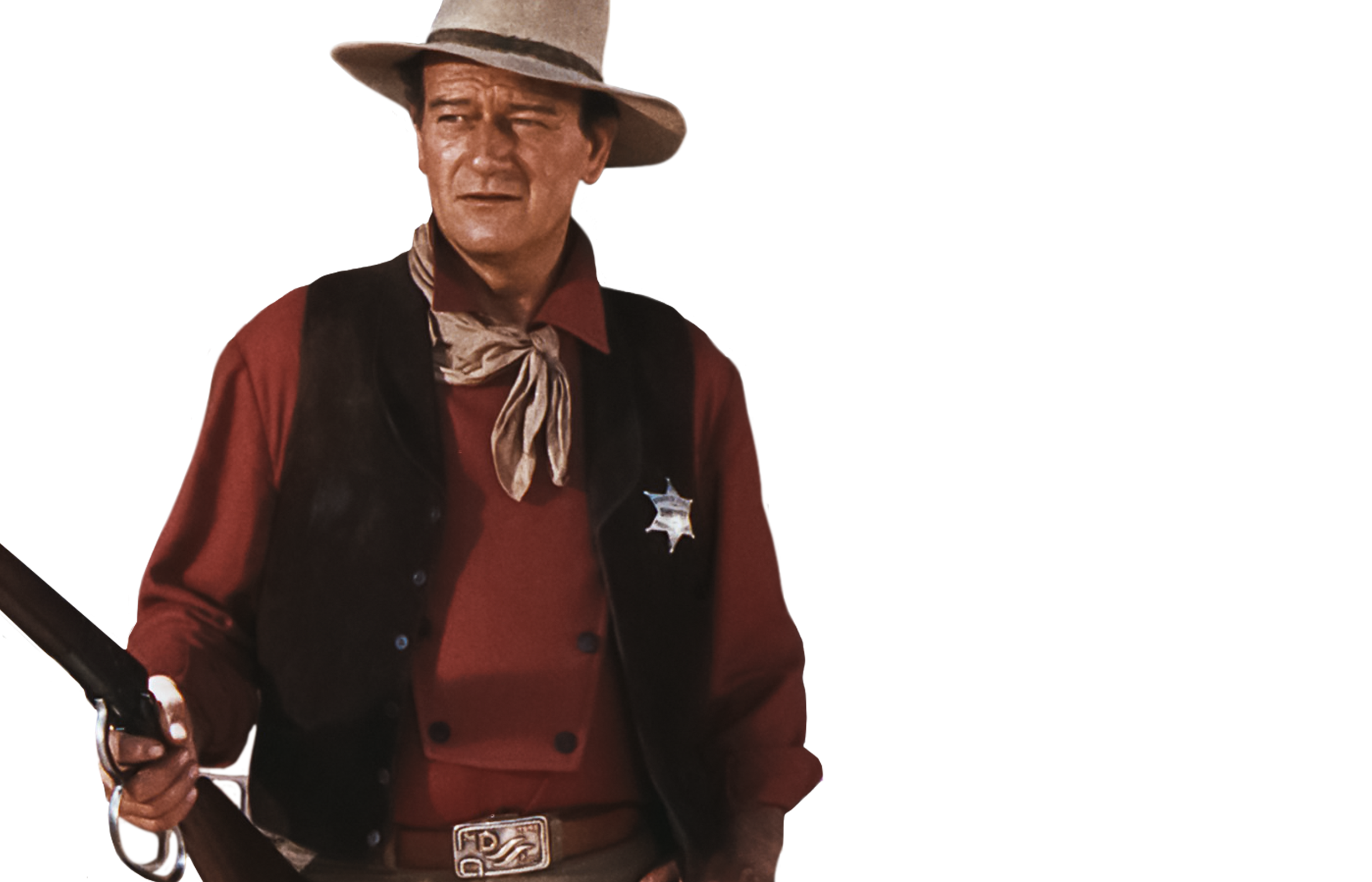
Born Marion Robert Morrison on May 26, 1907, in Winterset, Iowa, John Wayne grew up in California, earning the nickname “Duke” from a childhood dog. A standout football player in high school, he won a scholarship to USC but lost it after an injury. To support himself, he began working as a prop boy, stuntman, and extra—an opportunity that brought him into contact with director John Ford and actor Tom Mix.
Wayne’s first lead role came in 1930’s The Big Trail, where his screen name was officially changed to John Wayne. For nearly a decade, he starred in B-Westerns, honing the confident walk, laconic delivery, and rugged demeanor that would define his persona. His big break arrived in 1939 with Ford’s Stagecoach, turning him into a major star and solidifying his image as the stoic everyman.
In the 1940s, Wayne became a symbol of American courage through war films like Sands of Iwo Jima, earning his first Oscar nomination. During WWII, while he didn’t enlist due to studio obligations and injury, he supported the troops by touring military bases and working with the OSS (the precursor to the CIA). Wayne’s on-screen roles during this era portrayed him as the embodiment of patriotic heroism.
The 1950s marked Wayne’s ascent to superstardom, with leading roles in Rio Grande, The Searchers, The Quiet Man, and Rio Bravo. He founded Batjac Productions, extending his influence by producing both his own films and projects featuring stars such as James Arness and Randolph Scott. In the 1960s, he continued his success with directorial and production roles in The Alamo, earned an Oscar nomination, and starred in hits like The Man Who Shot Liberty Valance, Hatari!, and True Grit—his career-defining performance that won him the Best Actor Oscar in 1970.
Wayne remained active into the 1970s, delivering memorable performances in Chisum, Big Jake, The Cowboys, and The Shootist, an Oscar-nominated swan song about an aging gunfighter confronting mortality. His battle with cancer, including lung, stomach, and gallbladder surgeries, beginning in the mid-1960s, was enduring yet largely private.
He passed away on June 11, 1979, at UCLA Medical Center. Yet decades later, his legacy thrives. Wayne appeared in nearly 200 films, was a top box-office draw for more than 25 years, and became synonymous with American masculinity, independence, and moral clarity. His collaborations with Ford produced Western classics like Red River and The Searchers, while his own characters—lawmen, soldiers, and frontier heroes—cemented a cultural image of rugged integrity.
John Wayne remains not just an actor but a symbol—an enduring figure in American film history whose influence on the Western genre and broader culture is still felt today.
Suggest a Correction
We strive for accuracy and fairness. But if you see something that doesn’t look right, click here to contact us!
Next Hero


hero

“Courage is being scared to death and saddling up anyway.”
John Wayne
Timeline
1930
First starring role
A director saw him moving studio furniture while working as a prop boy and offered him his first starting role in The Big Trail.
1969
The Oscars
Won the Academy Award for Best Actor for his role in True Grit.
1976
His final role
He starred in The Shootist, his final cinematic role, where he played a character who was dying of cancer, which Wayne himself succumbed three years later.
More Heroes