Key takeaways:
- Grey’s Western novels made better movies because of his historical knowledge and strong female characters.
- While most novelists assumed films would ruin their books, Grey wrote his with movie versions in mind.
- Grey’s films were so successful that his name became overexposed in the marketplace.
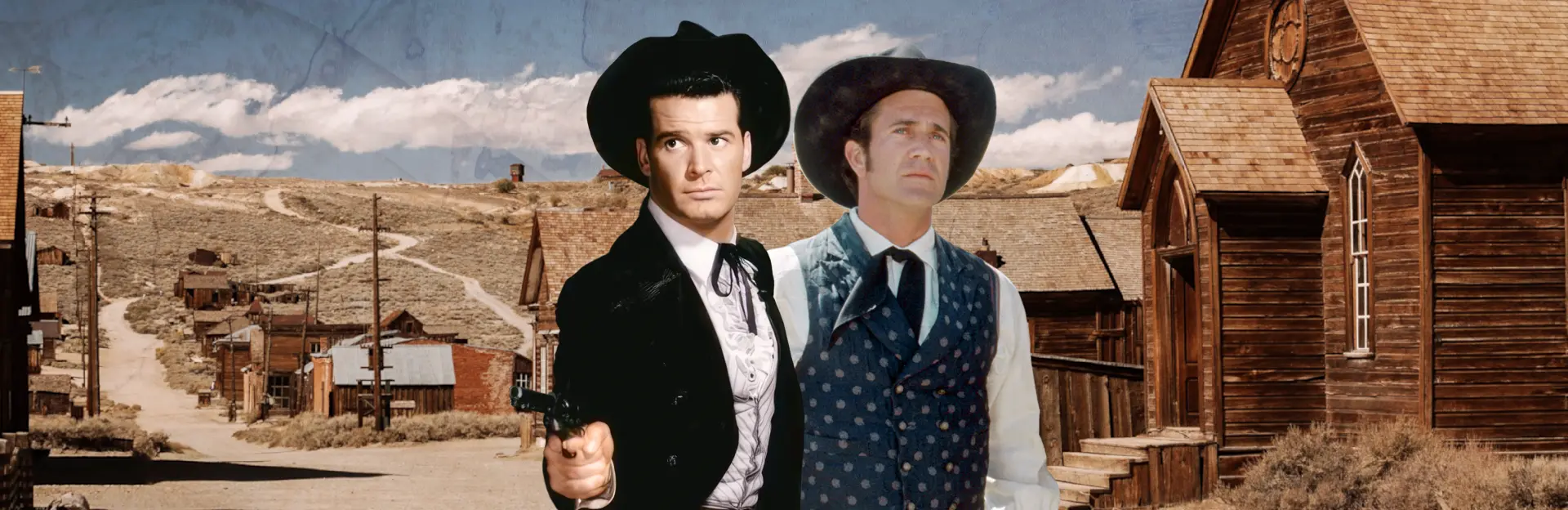
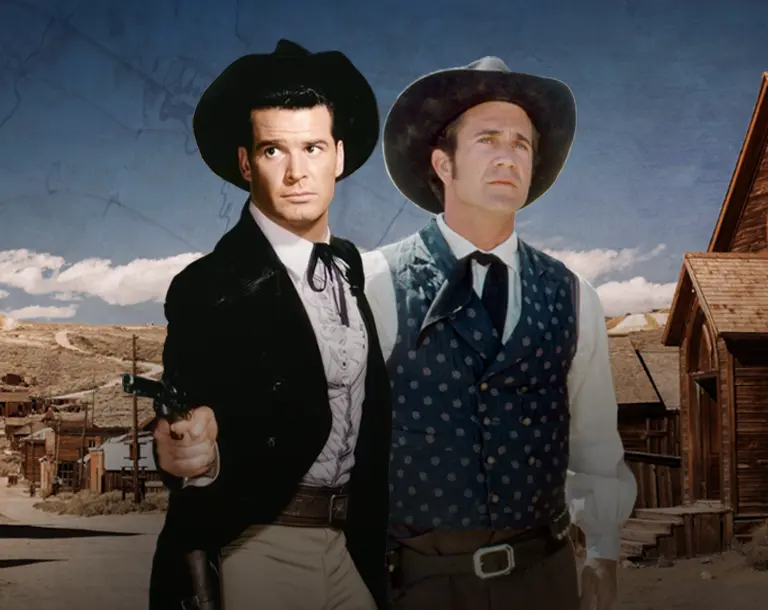
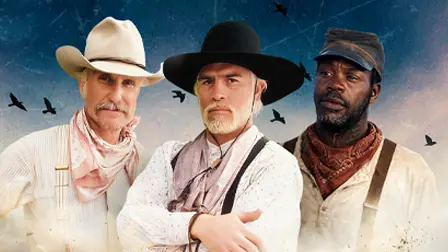
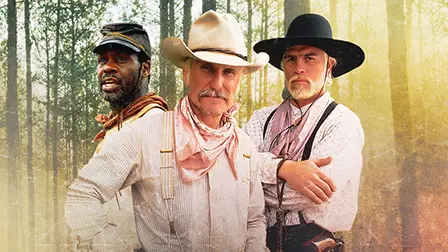
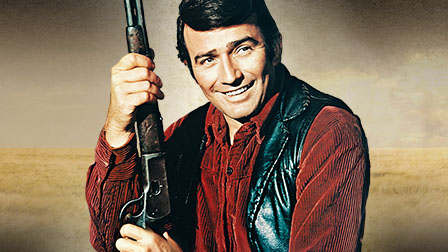
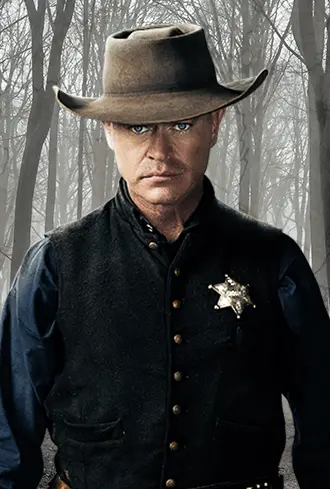
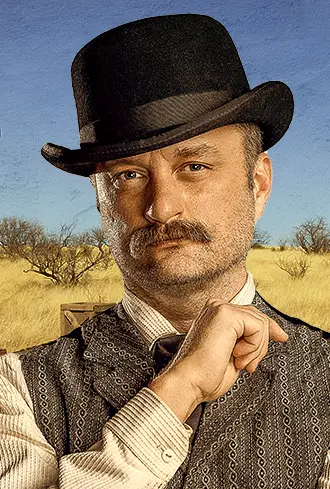
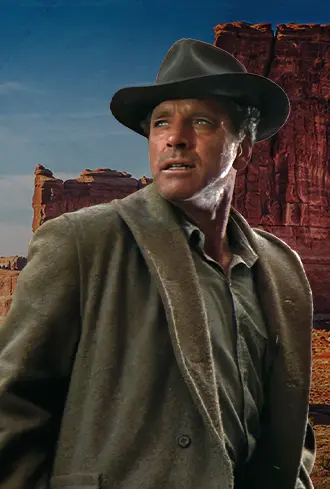
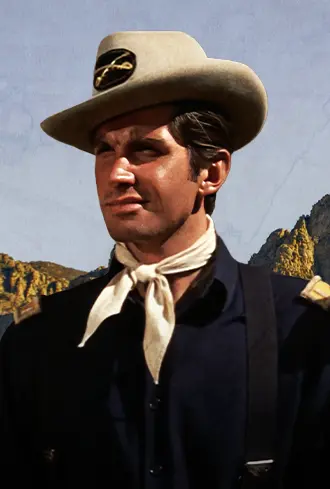
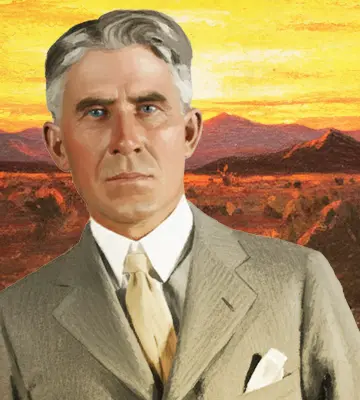
It’s high time the films of Zane Grey were rediscovered, and INSP is celebrating his birthday (Jan. 31, 1872) with four of the best.
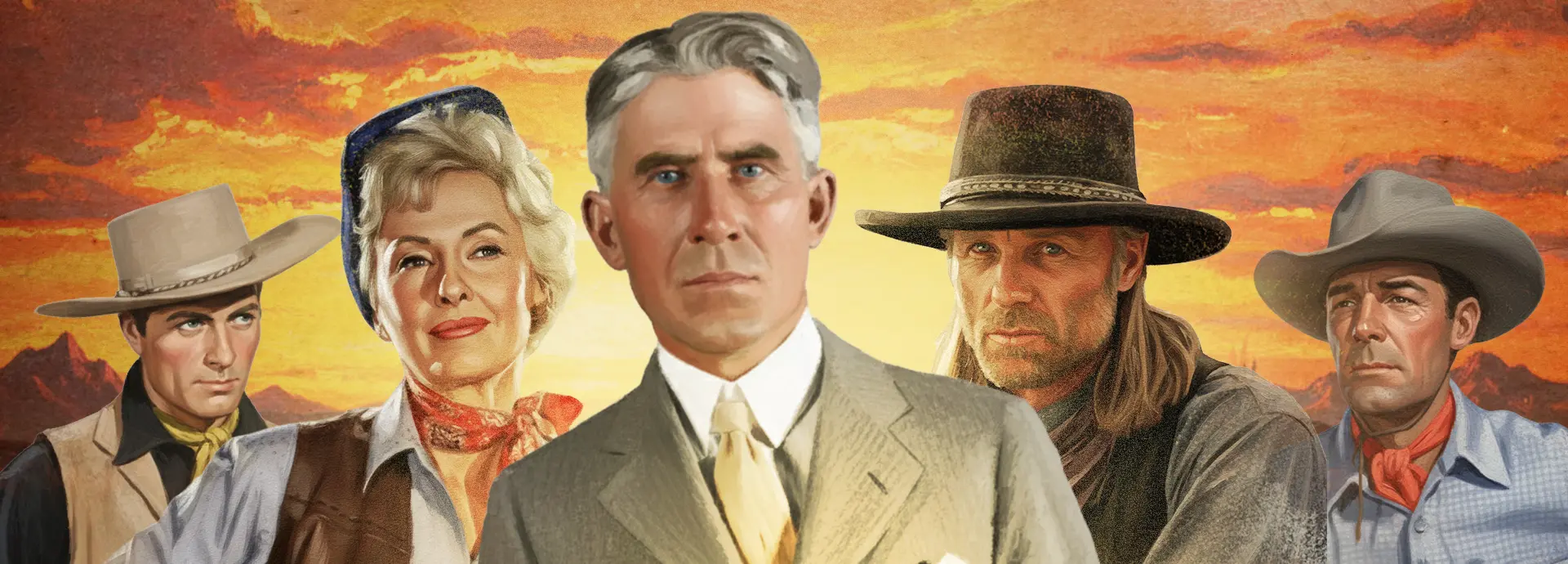
With nearly 120 movies based on his novels, with his name above the title, only Sir Arthur Conan Doyle, creator of Sherlock Holmes, has been filmed more often. Randolph Scott starred in a dozen, George O’Brien in 11, and Buster Crabbe in 10.
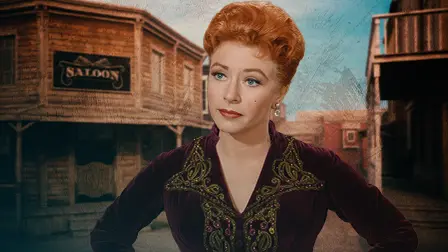
Considered the father of the Western genre, Grey’s Riders of the Purple Sage is the only Western novel on the Library of Congress’s 100 Books That Shaped America list and has been filmed five times since 1918. The newest version stars Oscar-nominees Ed Harris and Amy Madigan, a likely Oscar contender again for this year’s Weapons. But the strange thing is, this truest-to-the-novel version, the most recent Grey film, is 29 years old. And the one before it, The Maverick Queen starring Barbara Stanwyck, was made 70 years ago.
Why have Zane Grey films been so successful, and why have we been waiting so long for the next one?
One thing that sets Zane apart is that while dime novelists were creating their Westerns from whole cloth, Zane went to still-living primary sources for his inspiration and information. He famously persuaded buffalo hunter-turned-conservationist C.T. ‘Buffalo’ Jones, Yellowstone Game Warden Jim Owens, and several Mormon Elders to travel with him on horseback in Arizona from Flagstaff to Lees Ferry, along the way gathering material for many books to come.
While most female Western characters were prizes to be fought over, strong women were as important in Zane’s stories as they were in his life. His wife, Dolly, encouraged his writing when no one else did, and when he couldn’t get his first book published, his sister-in-law bankrolled it. And that book was about one of his ancestors, a Revolutionary War heroine.
“During the last siege, September 11, 1782,” he wrote, “Betty Zane saved the fort by running the gauntlet of fire, carrying an apron full of gunpowder over her shoulder.” Memorably, Sage begins with rancher Jane Withersteen facing a mob to prevent an innocent man from being whipped. This sort of heroine not only appealed to a broader audience, but to top actresses like Stanwyck, Madigan, and Maureen O’Sullivan.
While most Westerns are straightforward narratives, many of Grey’s drew the audience in with intriguing mysteries. Grey used the, “What did you say your name was?” … “I didn’t say,” exchange so often he should have patented it.
Whether it’s Randolph Scott in Gunfighters, George O’Brien in Robber’s Roost, or George Montgomery in the remake, or Ed Harris, Tom Mix, George Montgomery, or George O’Brien in some version of Sage, you can be sure when they ride into town, that they’re not giving their real name, or their real reason for being there. And there’s nothing casual about the glance they give that horse’s saddle, or that steer’s brand. Something happened, maybe years ago, maybe hours ago: some wrong that needs to be righted.
Grey was much more savvy than most writers about the value of movies. While other scribes held their nose and took the money, assuming the films would ruin their stories, Grey took an active role. In the nineteen-teen years, he sold novels to Lasky-Famous Players (later Paramount) for the then-astonishing price of $25,000 apiece. By 1921, he’d begun Zane Grey Pictures and leased film rights rather than selling them.
He wrote his novels with film adaptation in mind, including more action and having D.W. Griffith-style race-to-the-finish endings. He eventually timed the publication of his books to reach the stores two months before the film versions hit the theatres.
Ironically, his astute handling of the medium may also explain why there were so few Grey films in later years: he glutted the market. Grey’s name above the title was such a selling point that studios felt little need for big movie stars or big budgets. Through the 1930s and ’40s, many of the Grey stories were B-Westerns, dulling the luster of the author’s name. In the early days of television, from 1956 to 1961, there were 145 episodes of the hit TV series Zane Grey Theater. Although only six were actually based on his stories, his name was featured on every show.
Why should we still read Zane Grey? Should there be more movies? Ed Harris, who, with his co-producer wife Amy Madigan, fought for 10 years to make Sage, said it best in a vintage interview with the New York Daily News: “It’s sweeping, romantic, melodramatic; it has a certain timelessness to it. I remember being in the story and really transported by the emotion of it.”
Time to make another one, Ed.
Suggest a Correction
We strive for accuracy and fairness. But if you see something that doesn’t look right, click here to contact us!

About the Author
Henry’s first book, The Greatest Westerns Ever Made, and the People Who Made Them, was published by TwoDot in 2024. The Brooklyn-born, L.A.-based writer has contributed articles to the INSP blog since 2016, been Film Editor for True West since 2015, and has written Henry’s Western Round-up, the online report on Western film production, since 2010. His screenwriting credits include Speedtrap (1977) and Double Cross (1994). He’s the first writer welcomed into the Western Writers of America for his work in electronic media. He’s done audio commentary on over thirty Spaghetti and domestic Westerns.