
Key Takeaways
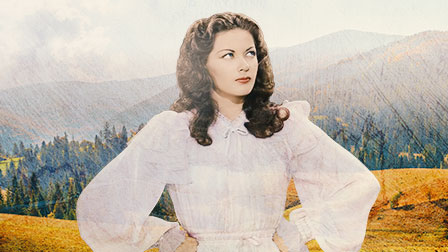
- In 1908, this woman was known as ‘the first movie star’
- By the 1910s, women claimed more of the Western spotlight
- The transition to sound in the 1920s brought more opportunities
When most people think of Westerns, they may picture rugged cowboys, dusty saloons, and gunfights at high noon. For decades, the genre has been dominated by iconic male stars like John Wayne and Clint Eastwood. But long before the Duke ever saddled up, women were riding across the silver screen as leading figures in Western tales.
The story of female leads in Western films begins as early as 1908, with Florence Lawrence, and stretches across decades of innovation, struggle, and reinvention. Lawrence is often remembered as “the first movie star” and holds the distinction of being the first woman to headline a Western. In 1908, she played the title role in The Girl and the Outlaw, a one-reel silent film that was only 14 minutes long. The story was simple, but Lawrence’s role was groundbreaking—a woman at the center of a frontier drama, her choices driving the action rather than serving as a backdrop to a man’s adventure.
At a time when actors weren’t even credited by name, Lawrence’s fame helped elevate women into central roles in Hollywood. Though her career was cut short—she took her own life at age 52—her place in Western history is secure.
The transition to sound in the late 1920s brought a new wave of female leads. Dorothy Page emerged in the 1930s as the Singing Cowgirl, starring in a short series of films that placed her at the center of the action. While Gene Autry and Roy Rogers built empires as singing cowboys, Page proved that women could headline the same formula.
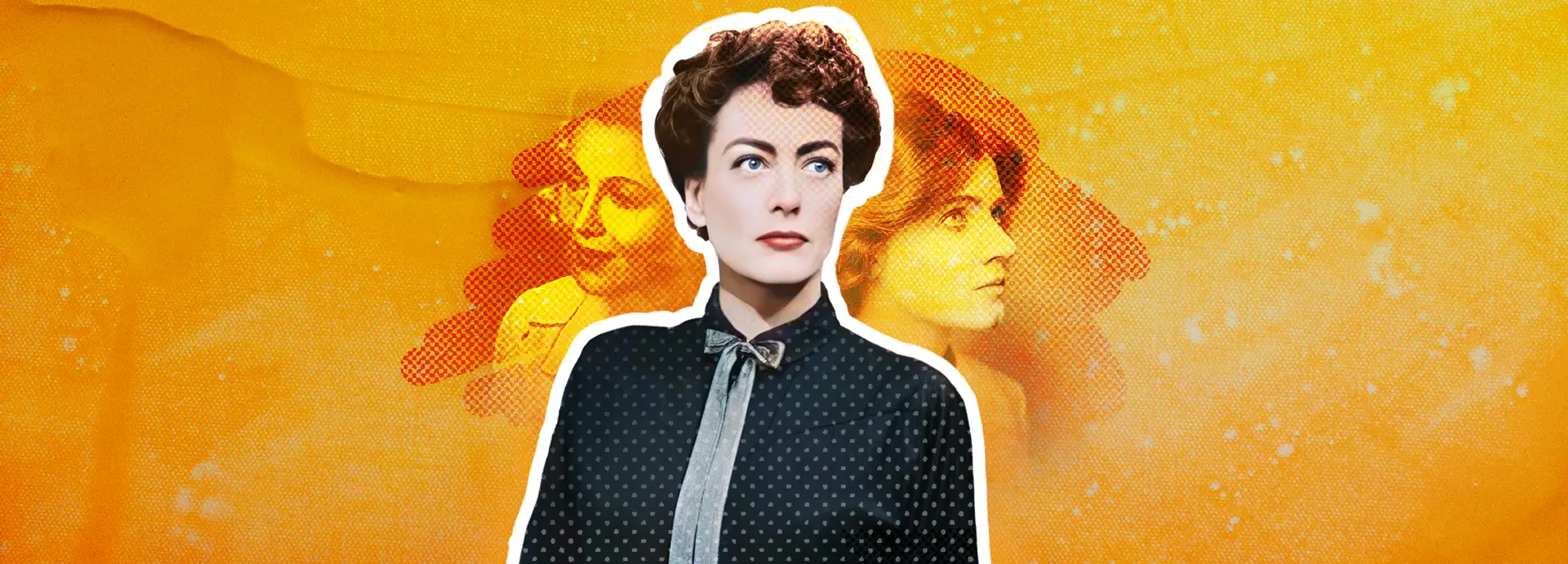
By the late 1930s, 40s, and 50s, some of Hollywood’s greatest actresses began staking claims in Westerns. Barbara Stanwyck dazzled as Annie Oakley (1935). Joan Crawford commanded the screen in Johnny Guitar (1954), one of the most unusual Westerns ever made, where she wasn’t merely a love interest but the driving force of the narrative. These roles showed that the Western could adapt to shifting cultural ideas about women’s strength and independence.
From Florence Lawrence in 1908 to modern reinterpretations of the genre, women have always been part of the Western DNA. They were never just waiting in the background— they were out front, blazing trails, handling six-shooters, and rewriting the rules of frontier storytelling.
Suggest a Correction
We strive for accuracy and fairness. But if you see something that doesn’t look right, click here to contact us!
About the Author
Jay Coffin has worked in journalism, digital media, television, communications, and the media fields for the last three decades. Most of that time has been spent in the sports and golf industry, helping to raise the profile of two prominent golf websites, appearing regularly on television, creating two successful podcasts, and boosting numerous social media accounts to record engagement metrics. He lives in Orlando, Fla.
Next Story