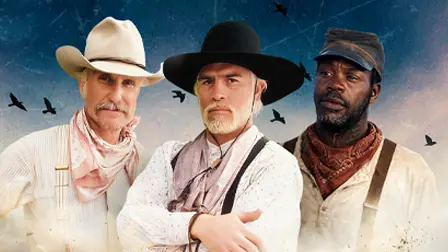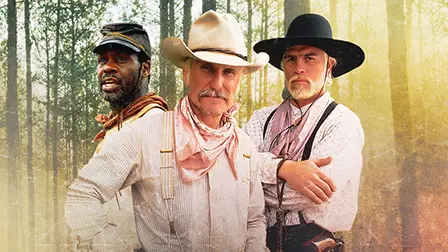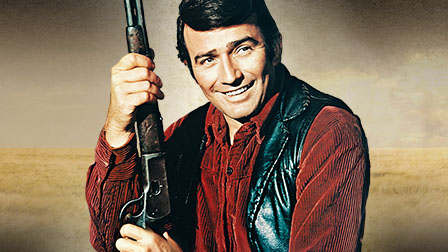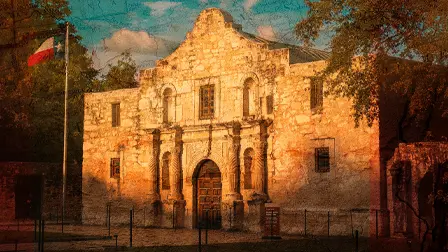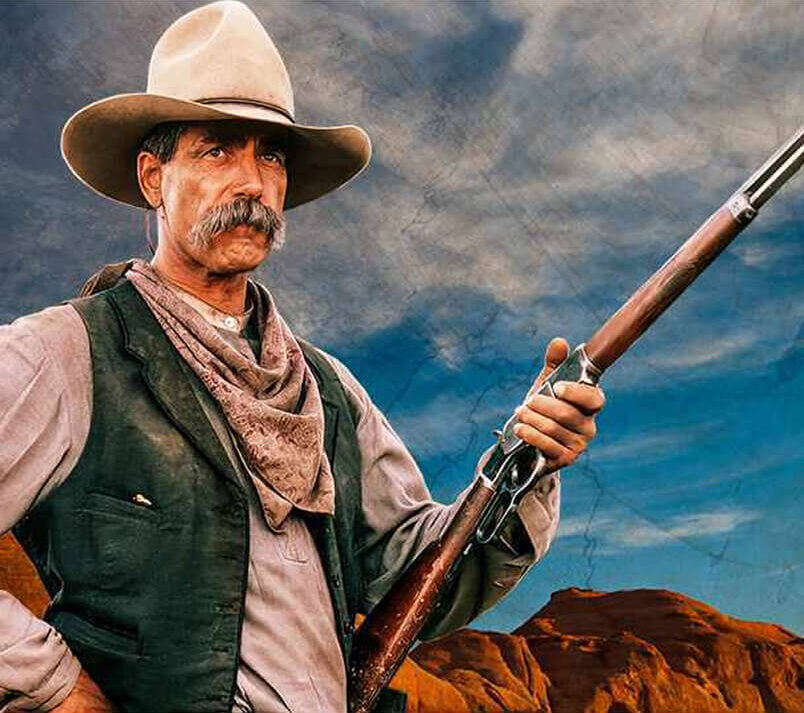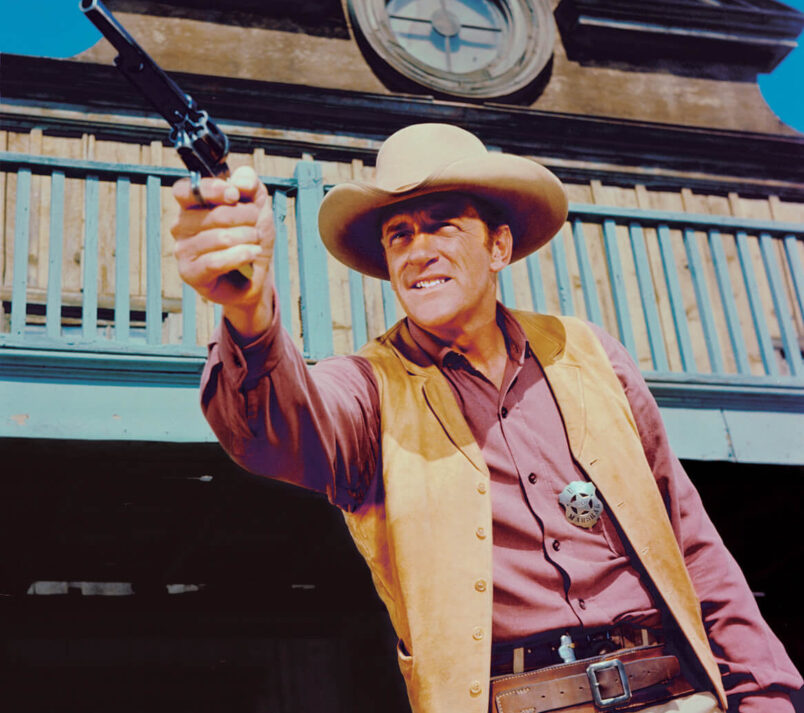
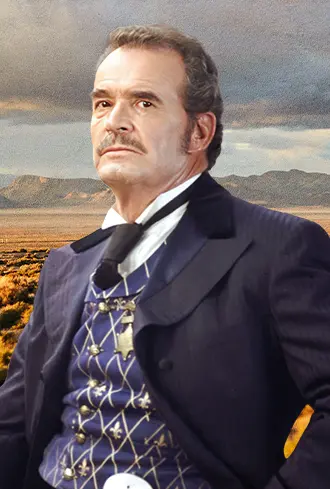
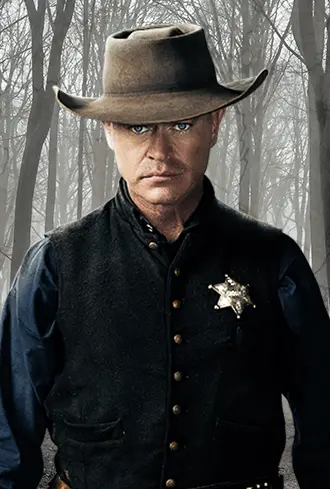
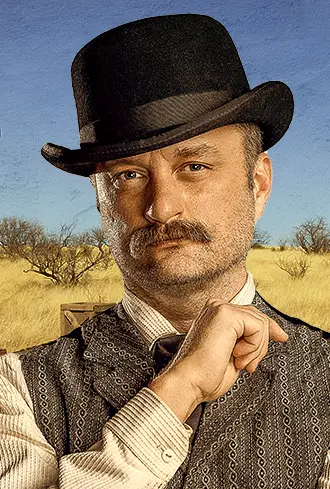
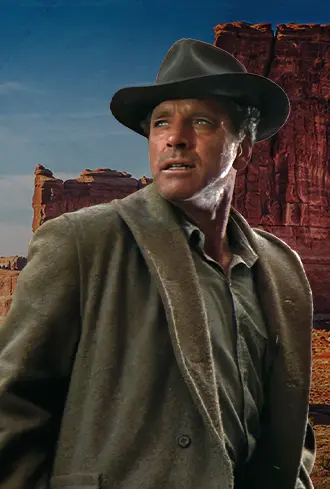

Since 2008, the fourth Saturday in July has been celebrated as National Day of the Cowboy. There are a dozen times “whereas” appears in Senate Resolution 450, the first being, “Whereas pioneering men and women, recognized as ‘cowboys,’ helped establish the American West,” in case you were wondering if half the population is excluded.
There’s a lot about rodeos and ranches and the economy. The 10th and 11th whereases speak directly to Western fans: “Whereas the cowboy is a central figure in literature, film, and music and occupies a central place in the public imagination; Whereas the cowboy is an American icon.”
All true. But what do we picture in our minds when we refer to a cowboy? Any pioneer at all, like the Senate says? Our vision of the cowboy is idealized because every generation has learned of them in their youth. They tend to be, frankly, cleaned up for the kids.
Hopalong Cassidy, as originally described by creator Clarence Mulford, drank, swore, fought, and limped—that’s where “Hopalong” came from. Actor William Boyd, who’d done some drinking and swearing, reinvented Hoppy and himself as a tough but principled “knight of the plains” with a sense of honor and a sense of humor. He issued a 10-point Creed for American Boys and Girls. Gene Autry’s Cowboy Code, The Lone Ranger Creed and Roy Rogers’s Riders Rules also each have 10, and not surprisingly, they overlap a lot, along with the Senate’s 12. They all include patriotism, honesty, respect for laws, respect for your parents, protection of children and the elderly, and kindness to animals.
The Lone Ranger points out, “That all men are created equal, and that everyone has within himself the power to make this a better world.”
Gene adds, “He must not advocate or possess racially or religiously intolerant ideas.” Also, “The Cowboy must never shoot first, hit a smaller man, or take unfair advantage.”
Says Hoppy, “Your good deeds always come to light. So don’t boast or be a showoff.”
While Roy says, “Protect the weak and help them,” but warns, “Be brave but never take chances.”
The Lone Ranger has a more fatalistic attitude: “I believe in being prepared physically, mentally, and morally to fight when necessary for that which is right. That sooner or later … somewhere … somehow … we must settle with the world, and make payment for what we have taken.”
Roy gets the last word: “Eat all your food and never waste any.” Even vegetables.
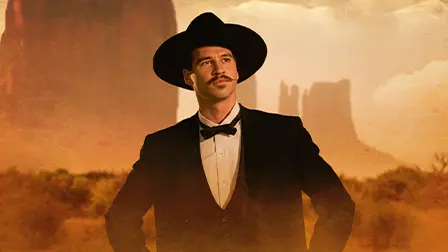
It's clear that when we celebrate the Day of the Cowboy, we don’t mean the bad guys from Tombstone with the red sashes. But the man who played Texas Jack Vermillion, who was in charge of making sure everyone had the right guns and saddles, Peter Sherayko, has supplied authentic props for over 1,000 shows, and has strong feelings on cowboys, and their portrayal in Westerns.
The author of the new book, Prove It Safe—Gun Safety in the Movies, says, “I don't go a week without watching a Gene or a Roy movie. Every year I binge on Hopalong Cassidy: all 66 films. His early Paramounts were tough films: he shot people for little or no reason. After World War II they were more gentle. They were aimed at kids.”
As film editor Derek York said, “At worst, they tended to blur the line between cowboy and Boy Scout.”
Who does Sherayko consider the most convincing cowboys on the screen?
“Our two heroes of the day: Sam Elliott and Tom Selleck. They sit a horse great,” he said. “Tom tries to get everything historically right. Sam, not so much, but Sam is like John Wayne. John Wayne was the best John Wayne there is; Sam Elliott is the best Sam Elliott there is. Glenn Ford rode well, Gary Cooper, Jimmy Stewart. Ben Johnson was the best; he was a cowboy-turned-actor.”
Speaking of getting things right, what do cowboy movies get wrong?
“How many times do you see a guy whose gun never runs out of bullets? And if he does, he reaches to his belt, pulls out a new cartridge—he's putting it in, but he never took out the empty case. Or the guy gets his Winchester rifle, cocks it—how come there's no round flying out of the top?”
These days, Sherayko is doing his job on the INSP series Wild West Chronicles and Elkhorn, saying, “I’m the armorer. I make sure all the guns are right, gun belts are right. Chris Ramirez, the production designer, he makes sure all that stuff is right. Mason Beals, who plays Teddy Roosevelt, he does really well. I made sure I had Teddy Roosevelt's gun, which was a seven-and-a-half-inch nickel-plated single-action with ivory grips, with TR in the grip. I had those made up for when I did the movie with Tom Berenger, The Rough Riders, in ‘97.”
The best portrayal of cowboy life in Westerns?
“Red River with John Wayne. I love Monte Walsh, with Lee Marvin and Jack Palance. It’s the 1890s, England was buying the ranches and cowboys were all being fired. Their time was over. Monte was the last of the holdouts. He said as long as there's a cow, there'll be a cowboy.”
Probably TV’s best portrayal of a cowboy’s day-to-day life was Rawhide, with Eric Fleming as Gil Favor, and Clint Eastwood as Rowdy Yates. The creation of Charles Marquis Warren, it was sentimental about the men, but brutally frank about their existence. “It was a rugged life,” Warren told TV Guide, “and a man had to do all of his living before he was 35. Even fixing a rusty nail was dangerous. One scratch and you could be dead of blood poisoning.”
In a Season 1 episode, after the trampling death of a cowboy, trail boss Favor tells Rowdy, “Put his things together, send them back to his folks,” and Rowdy angrily responds, “I think you better do that job, Mr. Favor. And while you're at it, why don't you write his folks about how you let their boy die … without even trying to help him.”
Favor responds, “It was either him or the herd. Man could be replaced. A herd can't.” Brutal, but before the story is ended, Rowdy ends up in Favor’s position and makes the same decision.
Favor would never understand how our hearts ached to be one of the boys John Wayne signed up in The Cowboys.
“I got a cousin, teaches school back east. She tells me those boys daydream about becoming cowboys. Of all the jobs a man could pick, why ever he'd want to choose this way to make a living. Three thousand head of God's lowest form of life: cattle. If they don't die of tick fever, strangle in a dust storm, or trample their fool selves to death, then the market will go down to 2 cents a pound on the hoof. They might as well have died before we set out. But they need food back east. It's my job to get this herd moving.”
Here’s to all those cowboys who’ve kept us fed!
Suggest a Correction
We strive for accuracy and fairness. But if you see something that doesn’t look right, click here to contact us!

About the Author
Henry’s first book, The Greatest Westerns Ever Made, and the People Who Made Them, was published by TwoDot in 2024. The Brooklyn-born, L.A.-based writer has contributed articles to the INSP blog since 2016, been Film Editor for True West since 2015, and has written Henry’s Western Round-up, the online report on Western film production, since 2010. His screenwriting credits include Speedtrap (1977) and Double Cross (1994). He’s the first writer welcomed into the Western Writers of America for his work in electronic media. He’s done audio commentary on over thirty Spaghetti and domestic Westerns.