

By Jay Coffin
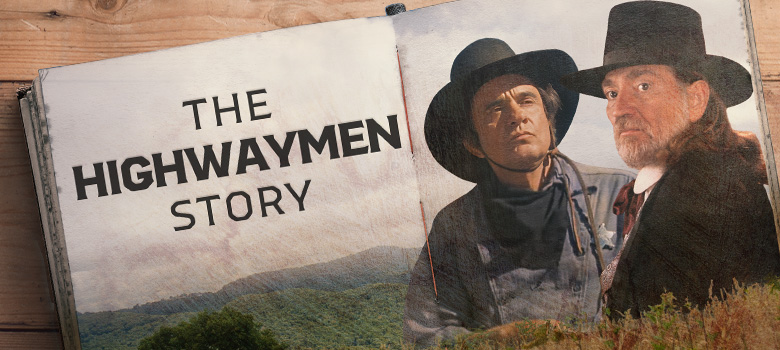
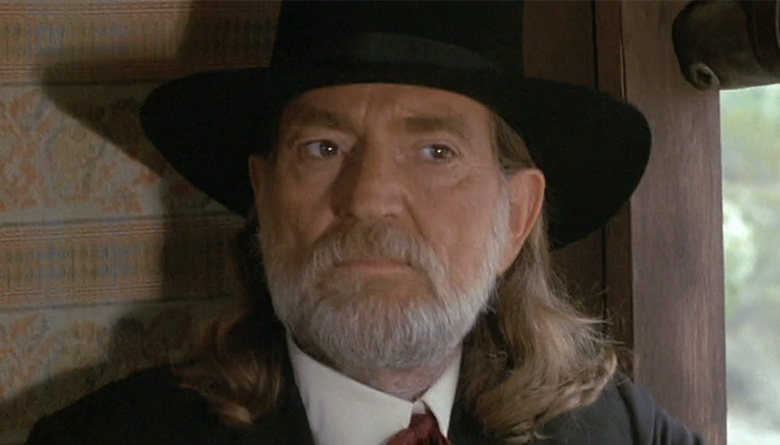
Few supergroups in the history of music commanded the reverence of The Highwaymen. Comprised of Johnny Cash, Willie Nelson, Waylon Jennings and Kris Kristofferson—each a towering figure individually—they created the term and genre outlaw country, blending grit, poetry, and rebellion into anthems that roamed the open highways in America.
 The Making of Legends
By the mid-1980s, each member of The Highwaymen had already carved out legendary careers. Cash was the Man in Black, whose songs of sin and salvation resonated with prisoners and presidents alike. Nelson, with his braided hair, had reinvented himself from Nashville songwriter to Texas outlaw. Jennings, the rough-edged rebel with a booming voice, challenged norms with anything he ever sang. And Kristofferson, the poet of the group, brought incredible country songwriting, penning classics like “Sunday Mornin’ Comin’ Down.” (Merle Haggard said that he was asked to be the fifth member of the group, but declined, indicating that by splitting the income by five would not be worth the hassle.)
The band got together during a time when there was a hunger for something different. Much different. And the timing was perfect. Their paths had crossed over the years—sharing stages and studios—but it was producer Chips Moman who came up with the idea of them recording together.
In 1985, under The Highwaymen, they released their debut album, led by the title track, “Highwayman,” written by Jimmy Webb. The song became an anthem of sorts for their own crusade. Each took a verse, as if narrating a similar passage of time.
The Outlaw Brotherhood
Though their music was steeped in country, The Highwaymen were less about genre and more about straight attitude. They rewrote the rules, and they created an image of rugged brotherhood that fans immediately adored. On stage, they were equals—storytellers in denim and leather, trading songs and smirks in what often felt more like a jam session than a concert.
Their debut album was a success, peaking at No. 1 on the Billboard country chart. But it also lit a spark in each of their respective careers, which had seemingly dulled some over the years. It reminded fans that these men still had stories to tell.
In the years that followed, The Highwaymen released two more albums: “Highwayman 2” in 1990 and “The Road Goes on Forever” in 1995.
 Legacy in the Rearview
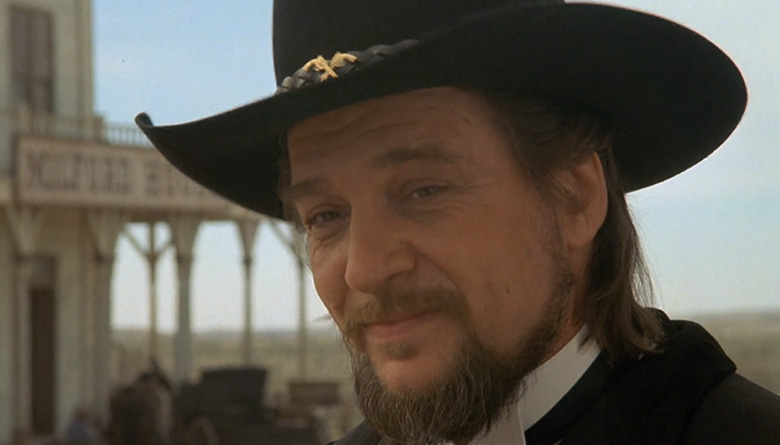
The Highwaymen’s legacy goes beyond their brief but impactful stint. They showed the power of collaboration among titans, proving that egos could be set aside for the good of the music.
When Waylon Jennings passed in 2002, and Johnny Cash followed in 2003, the era of The Highwaymen effectively ended. Kris Kristoffersen died in September 2024 and Willie Nelson, at age 92, is the only member still living. But their music continues to roll across airwaves, playlists and dusty jukeboxes.
In recent years, tribute projects and documentaries have rekindled interest in the group. Younger fans have discovered the gold of their harmonies and the poetry of their lyrics. They were outlaws, but also poets, preachers and pilgrims whose songs echo on, just as they always would’ve wished.
Suggest a Correction
We strive for accuracy and fairness. But if you see something that doesn’t look right, click here to contact us!

About the Author
Jay Coffin has worked in journalism, digital media, television, communications, and the media fields for the last three decades. Most of that time has been spent in the sports and golf industry, helping to raise the profile of two prominent golf websites, appearing regularly on television, creating two successful podcasts, and boosting numerous social media accounts to record engagement metrics. He lives in Orlando, Fla.