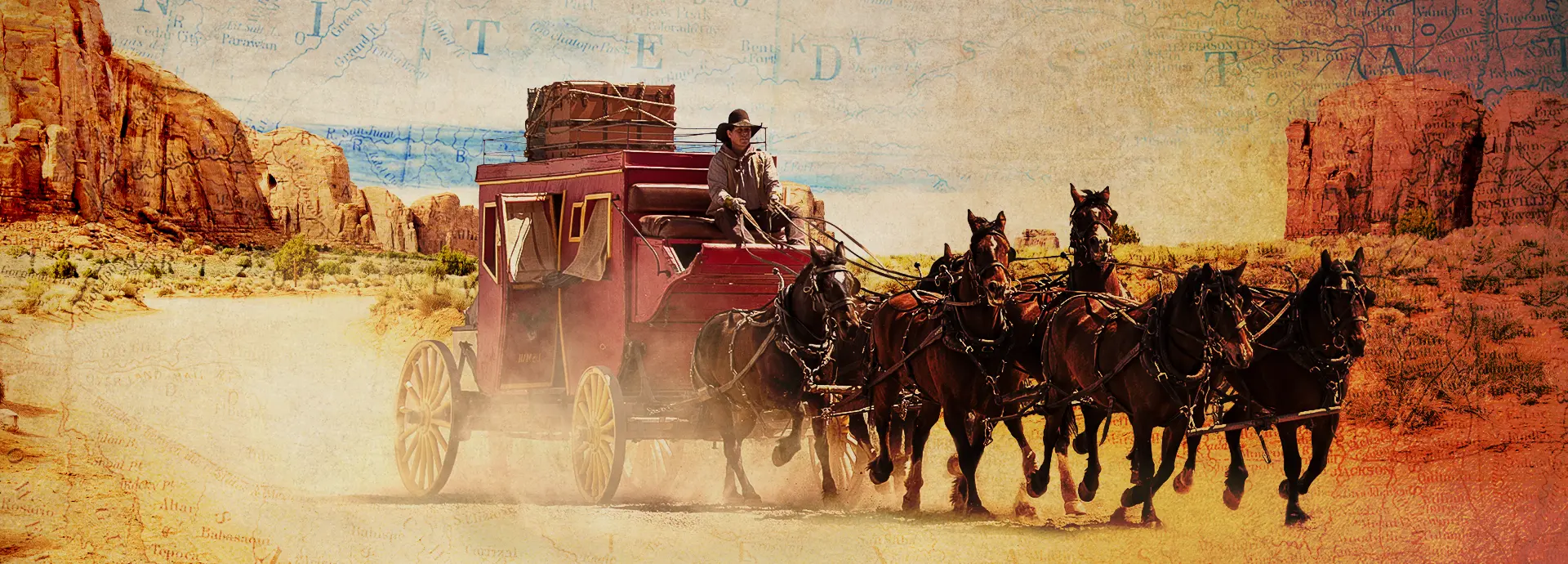
Long before the "iron horse" connected the coasts, the American West relied on the rhythmic thud of hooves and the endurance of the Concord coach. The stagecoach was a marvel of 19th-century engineering and a vital lifeline for a growing nation. These routes were born out of a desperate need to move the three things that kept the frontier alive: federal mail, commercial wealth, and the people brave enough to settle the West.
Building these paths across thousands of miles of wilderness was a monumental feat. It required a vast network of stations and a level of logistical grit that came to define the era of American expansion.
 The Legendary Oxbow Route
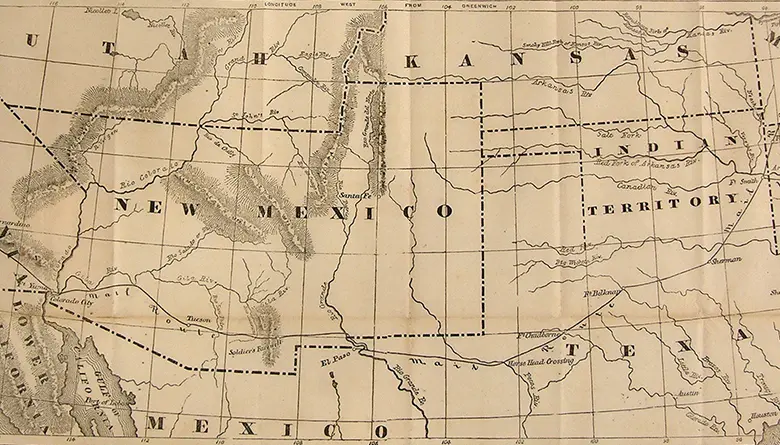
In 1857, the Butterfield Overland Mail was established to provide a reliable, year-round connection across the continent. To avoid the impassable winter snows of the Rocky Mountains, the trail followed a massive, 2,800-mile semi-circle through the Southwest known as the Oxbow Route.
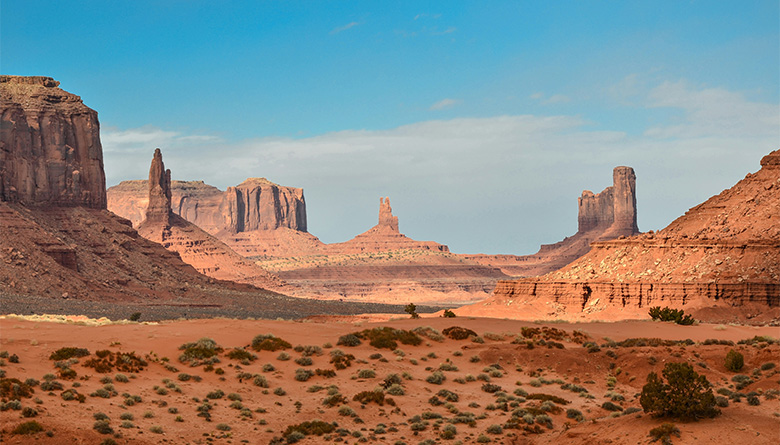
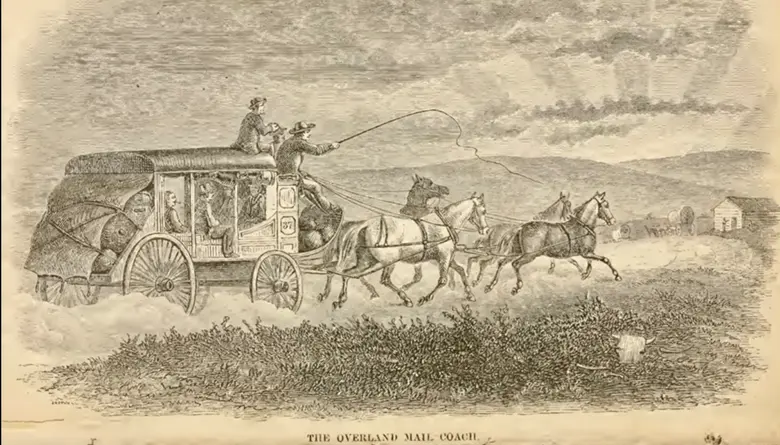
Traveling this trail was a grueling test of spirit for both passengers and mail carriers, who were confined to a cramped coach for more than 20 consecutive days. To maintain the high speeds required by federal mail contracts, these coaches ran nearly 24 hours a day, stopping only briefly to change horses. This relentless pace was made possible by the unique design of the Concord coach, which used leather thoroughbraces—heavy straps that acted as a primitive suspension system. By allowing the coach to swing and absorb the shock of the uneven, rocky terrain in territories like modern-day Arizona and New Mexico, this design protected the horses from the jarring weight of the wagon and kept the mail and passengers moving at a gallop, whereas other vehicles would have been forced to a crawl.
Other Formative Frontier Routes
While the Oxbow Route was the longest, it was far from the only path carved into the wilderness. A web of legendary trails stretched across the territories, each serving a specific purpose for a growing nation. The Central Overland Trail, running from Missouri to California, famously cut through the heart of the Rockies. It later served the Pony Express and became the primary corridor for those seeking a direct, albeit treacherous, path to the gold fields of the Sierra Nevada.
Further south, the Gila Trail followed the Gila River through Arizona, serving as a primary artery for settlers heading to San Diego who preferred searing desert heat over the high-altitude passes of the north. Meanwhile, the Santa Fe Trail—originally a commercial trade route—eventually saw heavy stagecoach traffic connecting Missouri to the high-desert hub of New Mexico, facilitating a vital exchange of goods and culture across the Southwest.
 The Lifeblood of the Trail: Home and Swing Stations
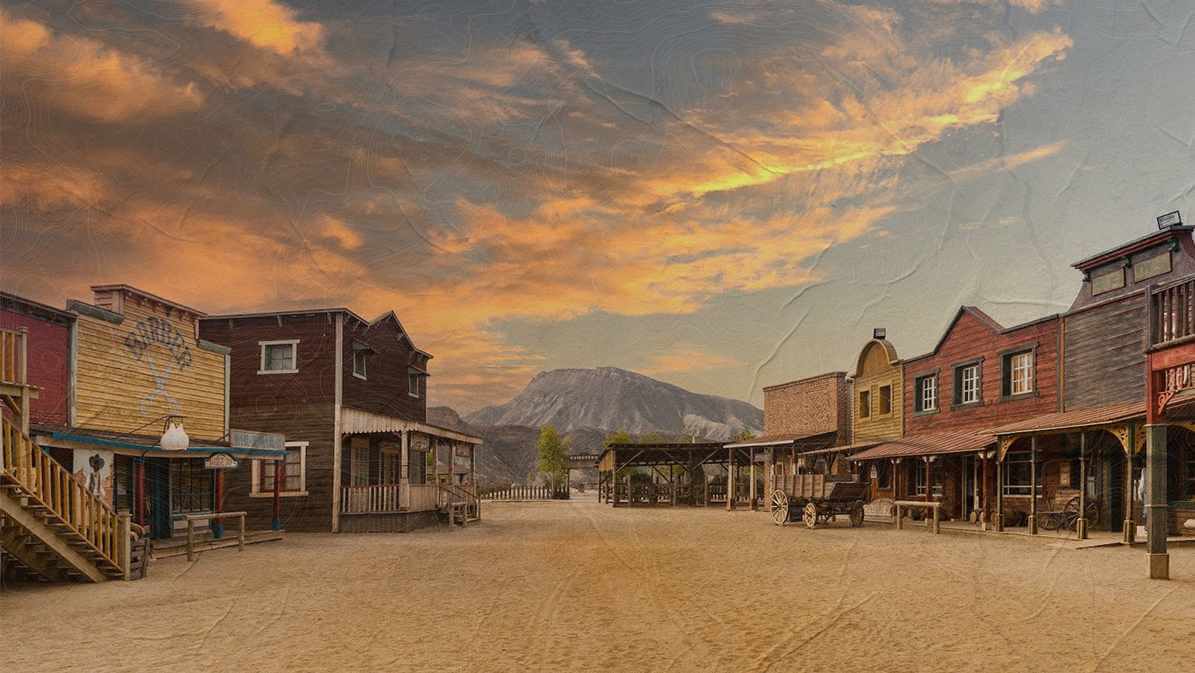
The true success of these routes relied on a grueling, meticulously timed network of outposts located every 10 to 20 miles. The most common were the "swing stations," lonely, small outposts that served as the backbone of a driver’s speed strategy. Here, teams of tired horses or mules were swapped for fresh ones in a matter of minutes, ensuring the cargo—from personal letters to heavy gold shipments and army payrolls—never sat still for long.
Every 50 to 100 miles, however, the landscape shifted as travelers reached the "home stations." These were larger, more substantial outposts where the dust-covered passengers could find a rare, quick meal and a moment to stretch their legs. For the crew, it was a vital hand-off point; at these hubs, the driver and the "shotgun" messenger—the brave souls navigating the most dangerous stretches of the trail—were finally replaced by a fresh team, ready to take on the next leg of the journey.
A Lasting Legacy
The era of the stagecoach was relatively short-lived, eventually giving way to the telegraph and the railroad. However, these routes left a permanent mark on the land. Many of our modern highways and rail lines still follow the very same surveyor marks laid down by those early crews.
The stagecoach proved the American spirit could bridge any distance. By creating the first reliable link across the continent, these routes ensured the progress of the frontier would continue, even through the most dangerous and lawless territories.
Suggest a Correction
We strive for accuracy and fairness. But if you see something that doesn’t look right, click here to contact us!

About the Author
Reagan Johnson has spent more than 20 years in television, publishing, and marketing, with the last four as a contributing writer, content strategist, and editor for INSP. Her travel writing has appeared in Forbes Travel Guide, Smithsonian Magazine, MSNBC Travel, Jetsetter, ISLANDS, and Weddings Unveiled, along with custom content for clients including Oil Nut Bay and Brand USA. She has served as travel editor-at-large and digital content fact-checker for Smithsonian Magazine’s native travel features. Reagan also manages a boutique marketing agency specializing in travel, hospitality, and tourism brands, blending editorial expertise with strategic insight to create engaging, audience-focused content.
Next Story

Story