Key Takeaways
- When he was 10, Bronson’s father died and left the family struggling
- Received a Purple Heart after he was wounded while serving in World War II
- By the 1970s, he was one of the biggest box-office draws in the world
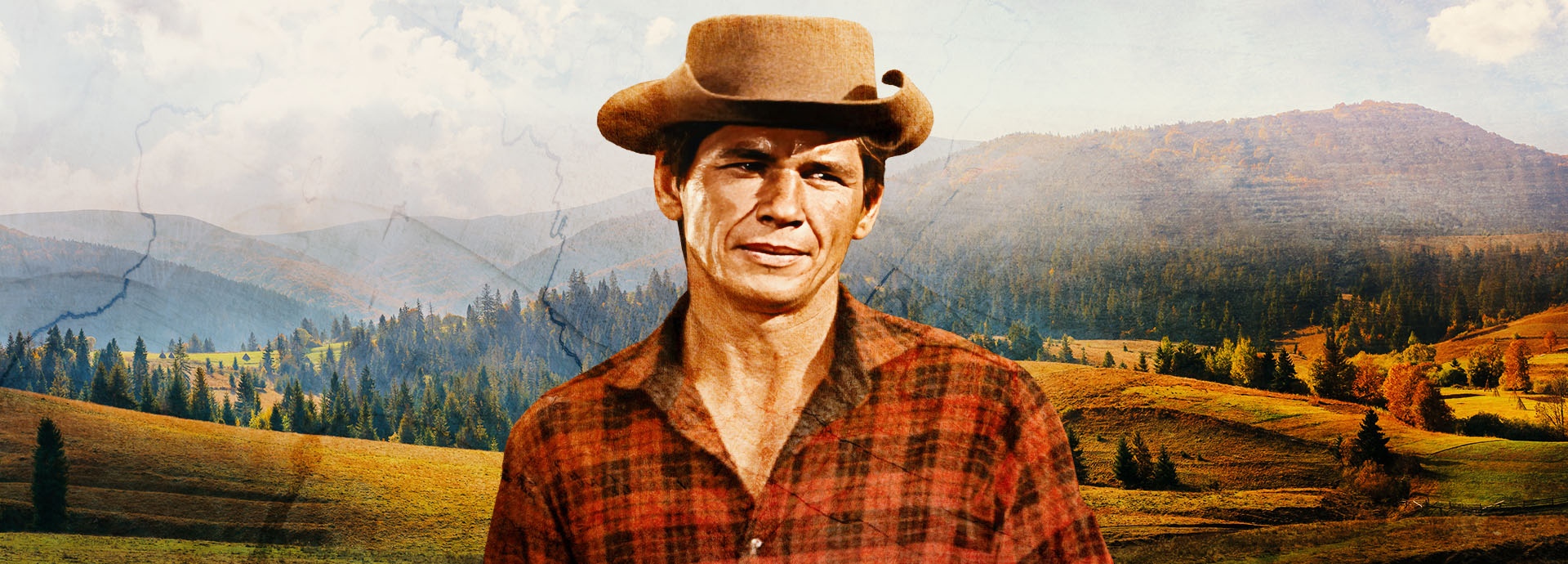
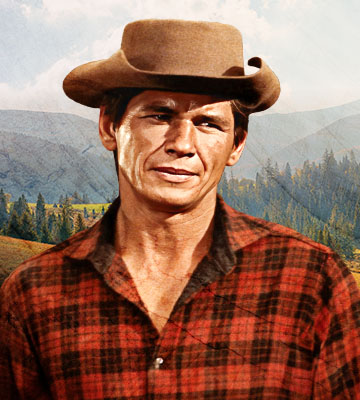
Known for his rugged face, quiet intensity, and powerful screen presence, Charles Bronson became an international star through Westerns, war films, and action movies. His life story, however, began far from Hollywood glamour, in the harsh world of coal mining in Pennsylvania.
Bronson was born Charles Dennis Buchinsky on Nov. 3, 1921, in Ehrenfeld, a small Pennsylvania coal-mining town. He was the 11th of 15 children born to Lithuanian immigrant parents. His father worked as a coal miner, and the family lived in poverty. When Bronson was only 10, his father died, leaving the family struggling. As a teenager, Bronson followed in his father’s footsteps and worked in the coal mines, but the difficult, dangerous work left a lasting impression on him and helped shape the tough, stoic personality audiences later saw on screen.
During World War II, Bronson enlisted in the U.S. Army Air Forces, where he served as a gunner on a Boeing B-29 Superfortress and flew numerous combat missions in the Pacific. For his service, he received a Purple Heart after being wounded. His wartime experience gave him discipline and resilience, qualities that later helped him in his acting career.
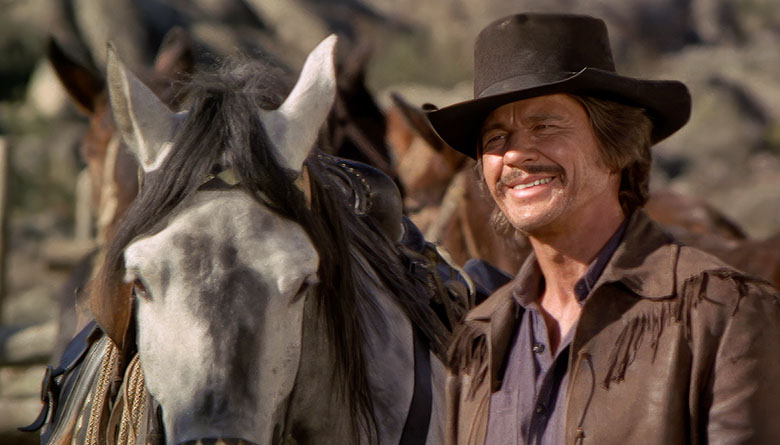 After the war, Bronson used government education benefits to study acting at the Pasadena Playhouse, one of the most respected training grounds for actors in the United States. Early in his career, he struggled to find roles.
He appeared in small parts throughout the 1950s in films and television shows, often playing soldiers, villains, or tough working-class men.
In 1954, during the Red Scare, he changed his last name from Buchinsky to Bronson because the original name sounded too Eastern European during a time of political unrest.
Bronson slowly built a reputation as a strong character actor. He appeared in several notable films during the 1960s, including The Magnificent Seven (1960), where he starred alongside Yul Brynner and Steve McQueen. The film became a classic Western and introduced Bronson to a wider audience. Another major role came in The Great Escape (1963), in which he played a determined prisoner of war who helps dig an escape tunnel from a German camp.
Although he had success in Hollywood, Bronson became an even bigger star overseas, especially in Europe. He worked with director Sergio Leone in the epic Western Once Upon a Time in the West (1968). In that film, Bronson played the mysterious harmonica-playing gunman known simply as Harmonica. The role helped cement his image as a silent, deadly hero and made him a legend among Western fans.
By the 1970s, Bronson had become one of the world’s top box-office draws. His most famous role came in Death Wish (1974), where he played architect Paul Kersey, a man who becomes a vigilante after his family is attacked. The movie was controversial but extremely successful, leading to several sequels and turning Bronson into an icon of the action genre.
Throughout the 1970s and 1980s, Bronson starred in numerous action and crime films where his characters were often quiet men who relied on strength, skill, and determination rather than long speeches. Audiences appreciated his tough, no-nonsense style.
In his personal life, Bronson was deeply devoted to his wife, actress Jill Ireland. The two appeared together in many films and were considered one of Hollywood’s most devoted couples. Ireland died of cancer in 1990, a loss that deeply affected Bronson.
Bronson gradually retired from acting in the 1990s. He died Aug. 30, 2003, in Los Angeles at age 81. He is remembered as one of the most distinctive stars of the 20th century, and his films continue to be popular with fans of Westerns and classic action cinema.
Suggest a Correction
We strive for accuracy and fairness. But if you see something that doesn’t look right, click here to contact us!
About the Author
Jay Coffin has worked in journalism, digital media, television, communications, and the media fields for the last three decades. Most of that time has been spent in the sports and golf industry, helping to raise the profile of two prominent golf websites, appearing regularly on television, creating two successful podcasts, and boosting numerous social media accounts to record engagement metrics. He lives in Orlando, Fla.
Next Story

Story