Robert Rogers
Save Outlaw
Age
63
Born
1731
Nov 7
Hometown
Metheun
Massachusetts
Stories
WHERE TO WATCH INSP
FIND US ON YOUR TV!
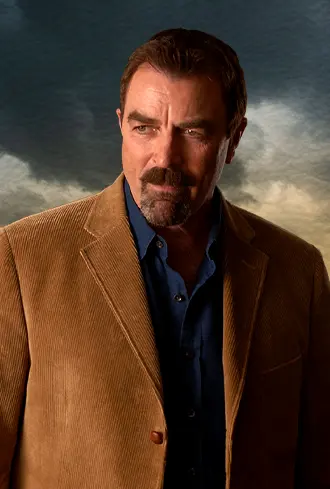
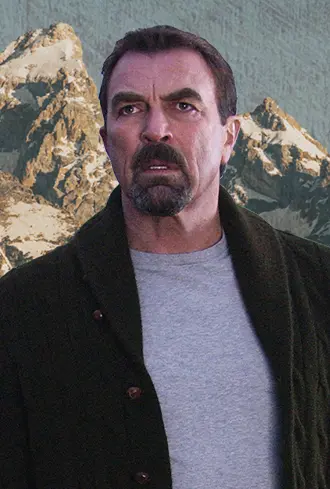
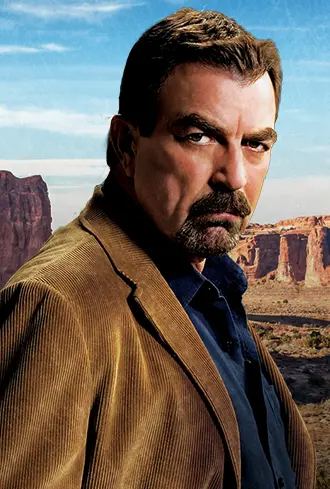
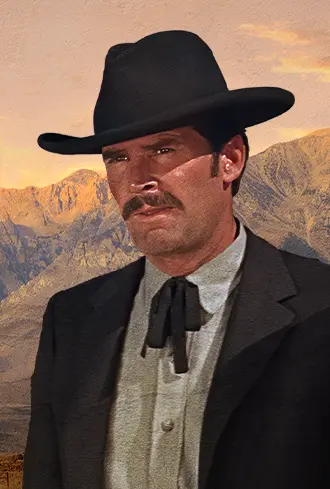
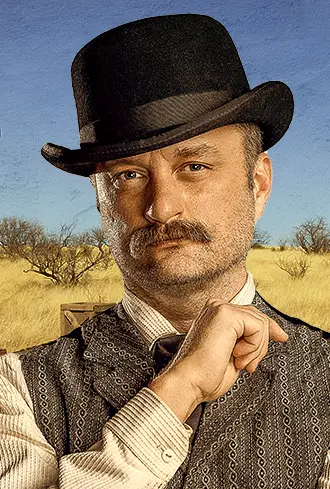
Robert Rogers was an outdoorsman, soldier, and leader of Rogers’ Rangers—a unit of wilderness fighters that helped Britain win the French and Indian War.
Robert Rogers was born on November 7, 1731, in Methuen, Massachusetts, and spent his early years living on the New Hampshire frontier. While still a young man, he became a scout in King George’s War but later made his biggest mark in the French and Indian War.
In 1756, Rogers formed Rogers’ Rangers, a unit of 600 frontier fighters. Rogers taught his men Indian warfare tactics, including camouflage, tracking, and ambush. He created Rogers’ Ranging Rules, which included over two dozen procedures for frontier warfare (modernized and still in use today by the U.S. Army’s Elite Forces).
In 1758, Rogers was given command of all the ranger forces in North America. The surrender of Fort Detroit and the end of the French and Indian War made Rogers a hero in England and America.
Unfortunately, Rogers’ alcoholism and debts plagued him in America and England. When the American Revolution broke out, he couldn’t get a command because George Washington suspected he was a spy. He spent time in jail during the war, openly supported England, and led a unit called the Queen’s Rangers, until he lost his commission following a defeat.
Eventually, Rogers’ troubles grew, and he was banished from New Hampshire. He fled to England in 1780 and died there in poverty on May 18, 1795.
Suggest a Correction
We strive for accuracy and fairness. But if you see something that doesn’t look right, click here to contact us!

outlaw

“If you are fortunate enough to take a prisoner, keep him separate so that he may be examined.”
Robert Rogers
Timeline
1746
At only 15, he did service time in the New Hampshire militia as part of Daniel Ladd's Scouting Company.
1754
He got involved with a gang of counterfeiters and was indicted, although the case never went to trial.
1765
He went to England to attempt to get paid for his services and to capitalize on his fame from the French and Indian War.
More Outlaws